
Floors for rooms where hot and cold hit fast
Hot wash-down water hitting a chilled floor, or a freezer door opening onto a warm dock, puts a coating through a fast swing that ordinary systems often crack under. Danny looks at where those swings happen, usually by the drains and doors, before he recommends a system.
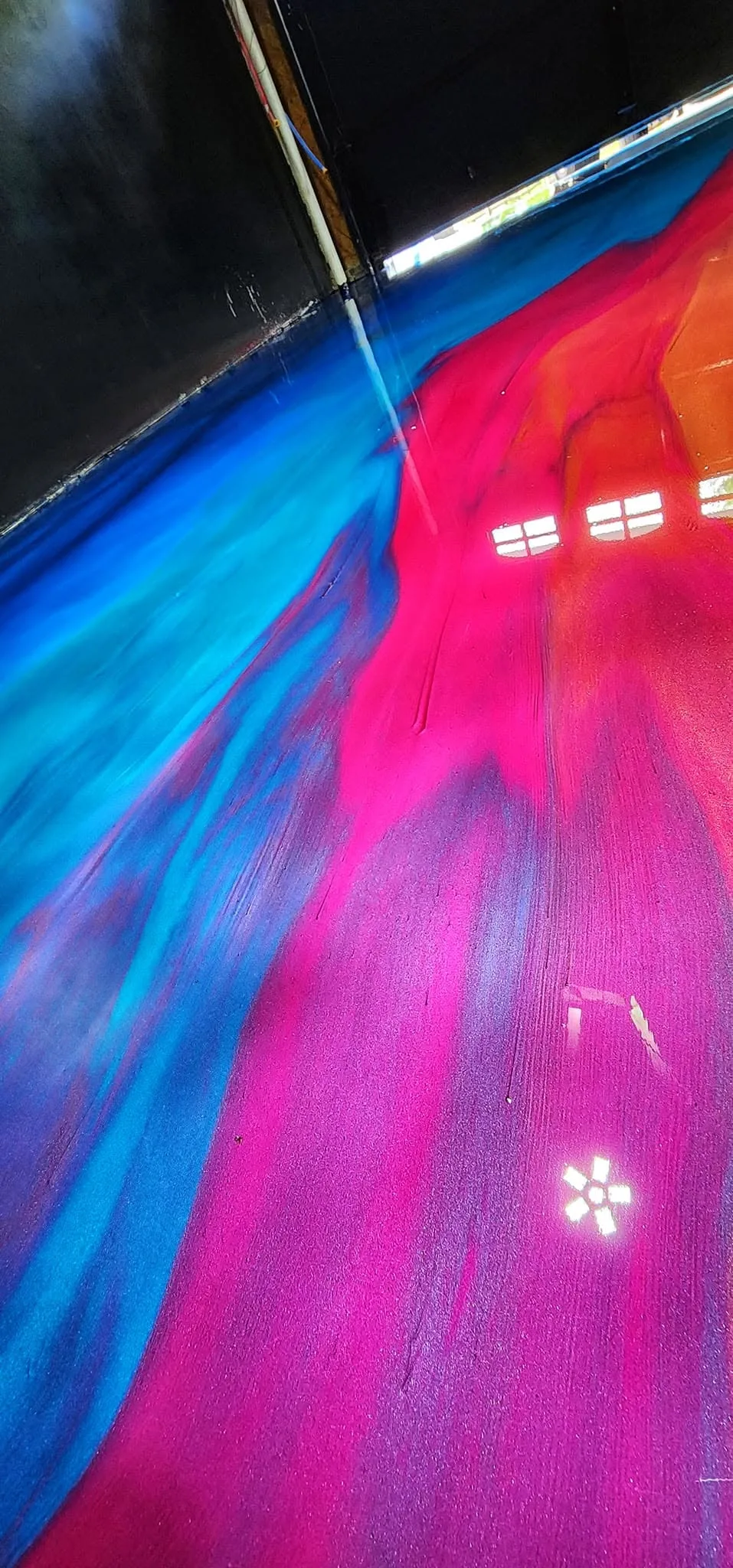
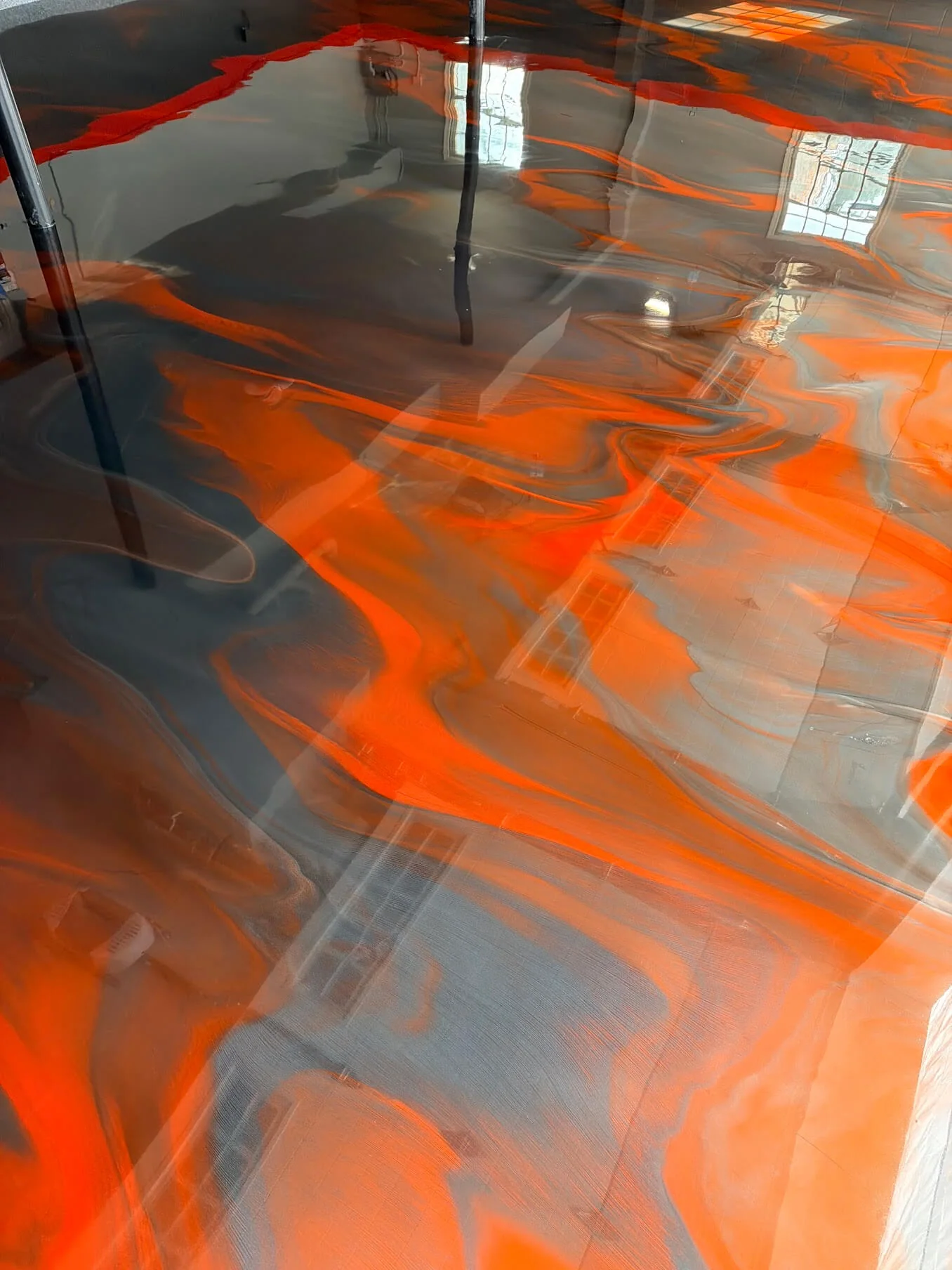
Thermal Shock-Resistant Flooring, start to finish
Thermal shock is what happens when a floor heats or cools quickly. The coating and the concrete under it expand and contract at different rates, and a stiff coating can crack or pull away from the slab. A thermal shock-resistant system uses resins chosen for those swings. Some resin systems handle sudden temperature change far better than standard epoxy, and the choice is made from the product data for the conditions the facility describes. How thick the build is matters too.
The coating and the concrete under it expand and contract at different rates, and a stiff coating can crack or pull away from the slab.
It fits kitchens with hot wash-downs, steam cleaning areas, cooler and freezer entries and process rooms where hot liquid hits the floor. It does not stop concrete from cracking if the slab is moving for other reasons. Danny looks at the space and its traffic, asks what gets spilled, and wants to know how hot and how cold things get before recommending a system. Where a room needs a system outside his line, he says so.
Danny walks the room during a normal workday if he can and watches where hot water, steam or cold air hit the floor. He asks the operator for the temperatures involved and how often the swings happen. The failed coating comes off with a diamond grind, and cracks and spalls in the concrete get repaired. The system goes down with extra attention at drains, doorways and kettle areas. The room stays closed through the cure. The final walk covers cleaning and what to watch for at the hot spots. Danny pours with Bulletproof Resins material, mixed in small batches on the job so nothing sits in the bucket too long.
Hot water on a cold floor finds the weak spot in a coating fast.
From bare slab to finished floor
Every floor goes through the same five stages. What changes is how much each one takes, and that gets settled at the walkthrough.
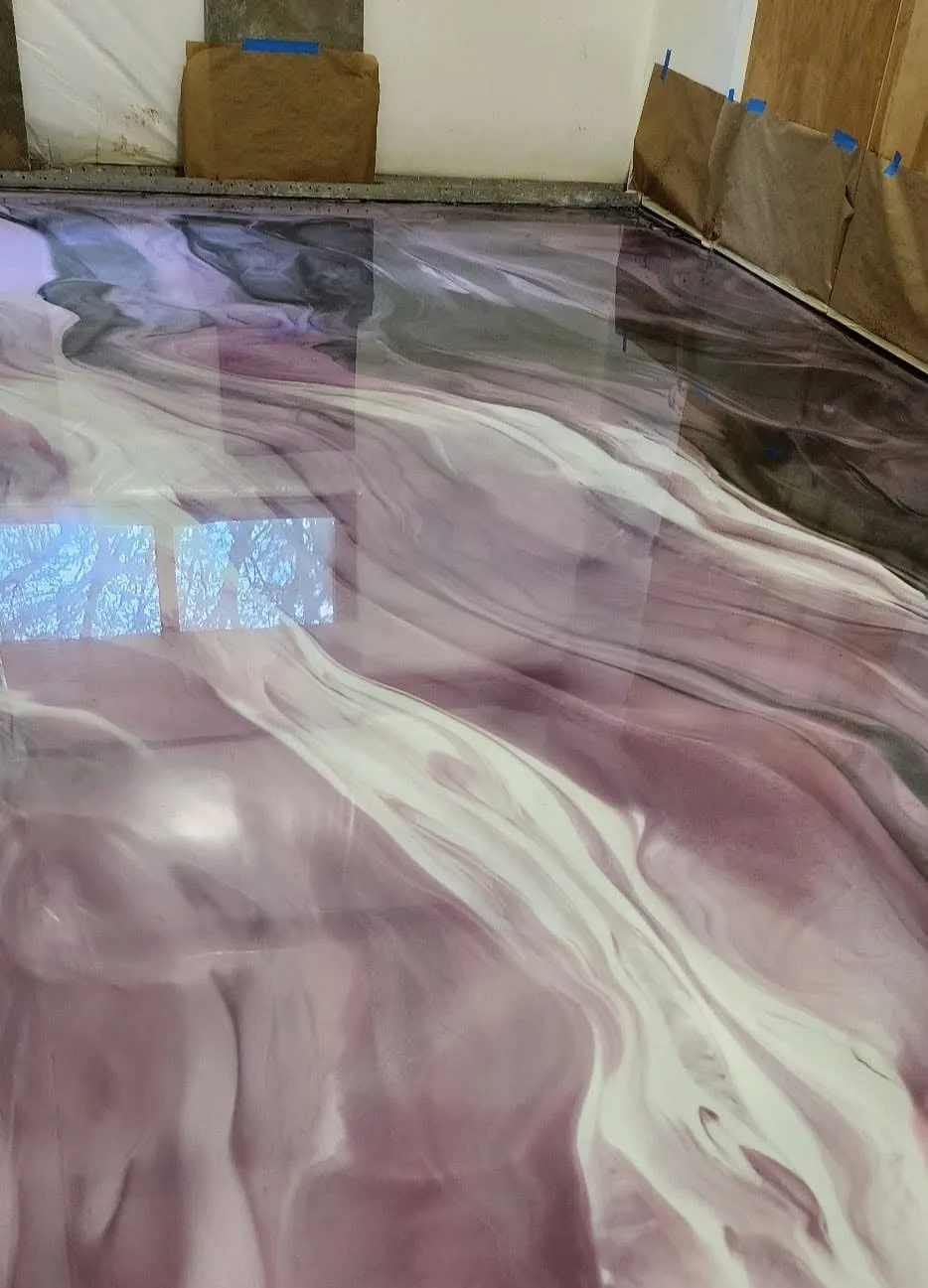

Walk the space
The job starts with a walkthrough: the slab, the edges, the drains and doors, and what you want it to look like.

Prep the concrete
The surface gets diamond ground so the coating can bite, with a vacuum on the grinder pulling the dust.

Fix what is underneath
Damage in the slab gets repaired now, so it does not show through the finished floor later.

Lay it down
Mix, spread, finish. Each coat goes on clean, in the order the system needs.
Cure and the final walk
Once the floor has cured, Danny walks it with you and goes over care and cleaning.
More of Danny’s floors
Other jobs from the file, not all of them this service. See the gallery








Questions about thermal shock-resistant flooring
Why does regular epoxy crack in our kitchen?
Standard epoxy can be stiff, and fast temperature swings make the coating and the concrete move at different rates. Over time that shows up as cracks and pieces lifting, usually near drains, kettles and dish areas. A system chosen for thermal shock handles those swings better. Danny looks at where the failures are before recommending one.
Can the floor be done in sections?
In some rooms, yes. Each section has to be closed for the grind, repairs, pour and cure, and wet rooms can be hard to split while staying open. Danny looks at the layout and the drains and works out with the operator whether sections make sense or a full shutdown is better.
Do freezer floors need this kind of system?
The entry into a freezer or cooler, where warm and cold meet, is often where coatings fail first. Inside the box itself, the conditions are steadier and colder. Each area may need a different approach. Danny walks both and checks the product data for the temperatures the operator gives him.
How do I take care of the floor afterward?
Mostly a soft broom and a damp mop with a mild cleaner. Danny goes over care for your specific system at the final walk-through.
What happens if the slab has cracks?
Cracks and chips get filled and ground flush before the coating goes down. Danny will tell you at the walkthrough if a crack is likely to move and what that means for the floor.
How far do you travel?
About 60 miles out from Cranford: North and Central Jersey, New York City and Long Island, Westchester, Rockland and Orange, Fairfield County in Connecticut, and Bucks, Montgomery, the Lehigh Valley and the Poconos.
More from the performance section
Slip, chemical, impact, heat and static control. Danny looks at the space first and says what fits before anyone orders material.
- Electrostatic Dissipative (ESD) FlooringElectrostatic dissipative floors installed to a facility’s written spec, with grounding by its electrician and testing by its own third party.
- Conductive Resin Floor InstallationConductive resin floors for rooms with strict static rules, installed to the facility’s written requirement and tested by its own third party.
- Hygienic Seamless FlooringContinuous resin floors for kitchens, wash rooms and processing areas, with fewer grout lines and joints where dirt and water can sit.
- Moisture-Tolerant Flooring SystemsResin floor systems with a base made for damp slabs, chosen from moisture test results for basements and older concrete floors.
- High-Temperature-Resistant Floor SystemsFloor systems for the hot zones in front of ovens, fryers and hot equipment, chosen for steady heat and the spills that come with it.
The shop is in Cranford. Most jobs are within an hour or so, across four states. See every areaSee the gallery
Danz Handz
Danny Carrero, epoxy specialist
dhepoxy@gmail.com
Cranford, NJ. Mon to Sat, 8 to 6. Hablamos español.
Schedule a look at your floor
Send a few lines about the room and the look you want. Danny will call and set up a time to see it.