
Farm building floors scheduled around the Off-Season
On a farm, the slow months decide when the floor gets done, since nobody wants a packing shed out of use during harvest. Danny walks the buildings ahead of time and sorts out which need a floor that hoses down, like the feed room, and which just need the dust stopped.
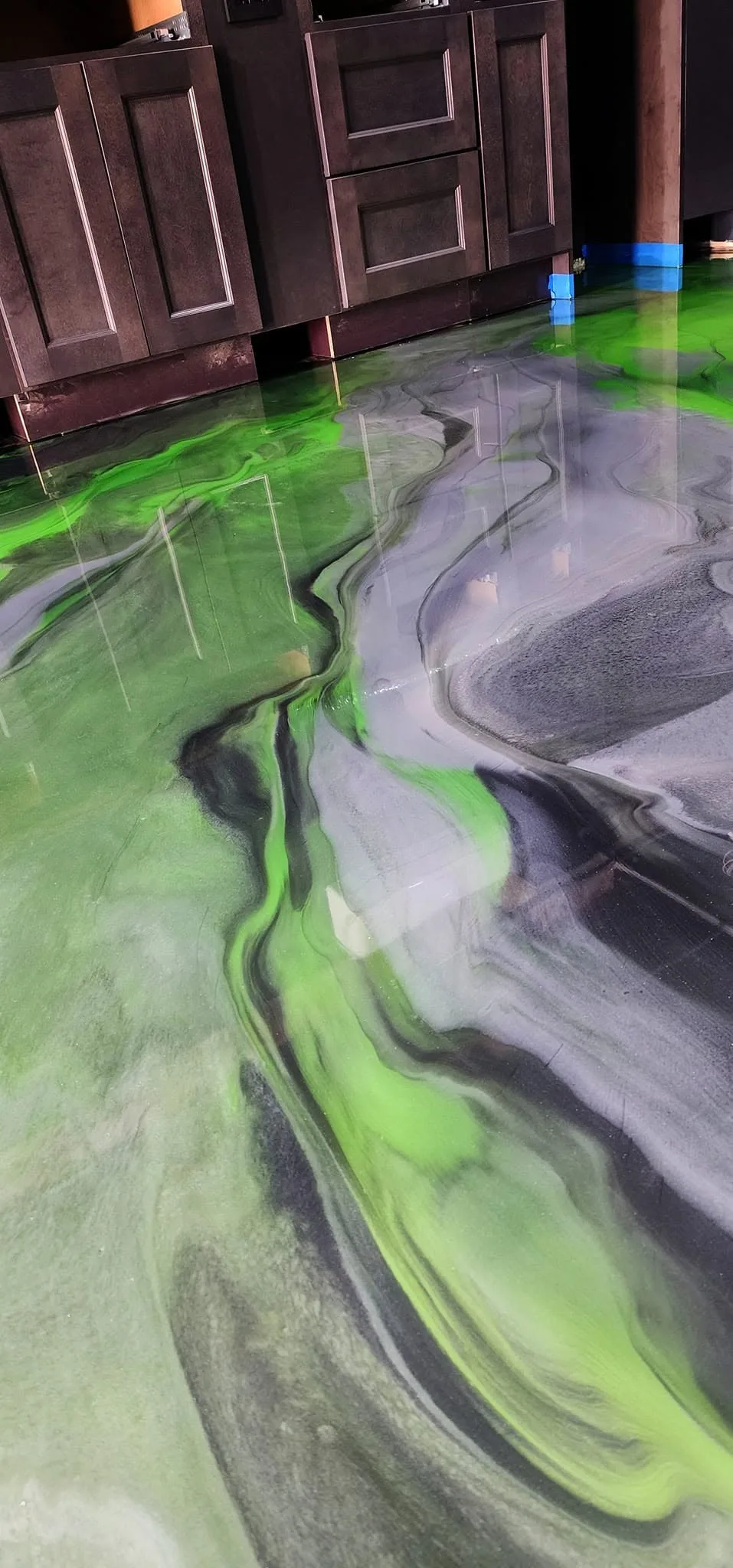
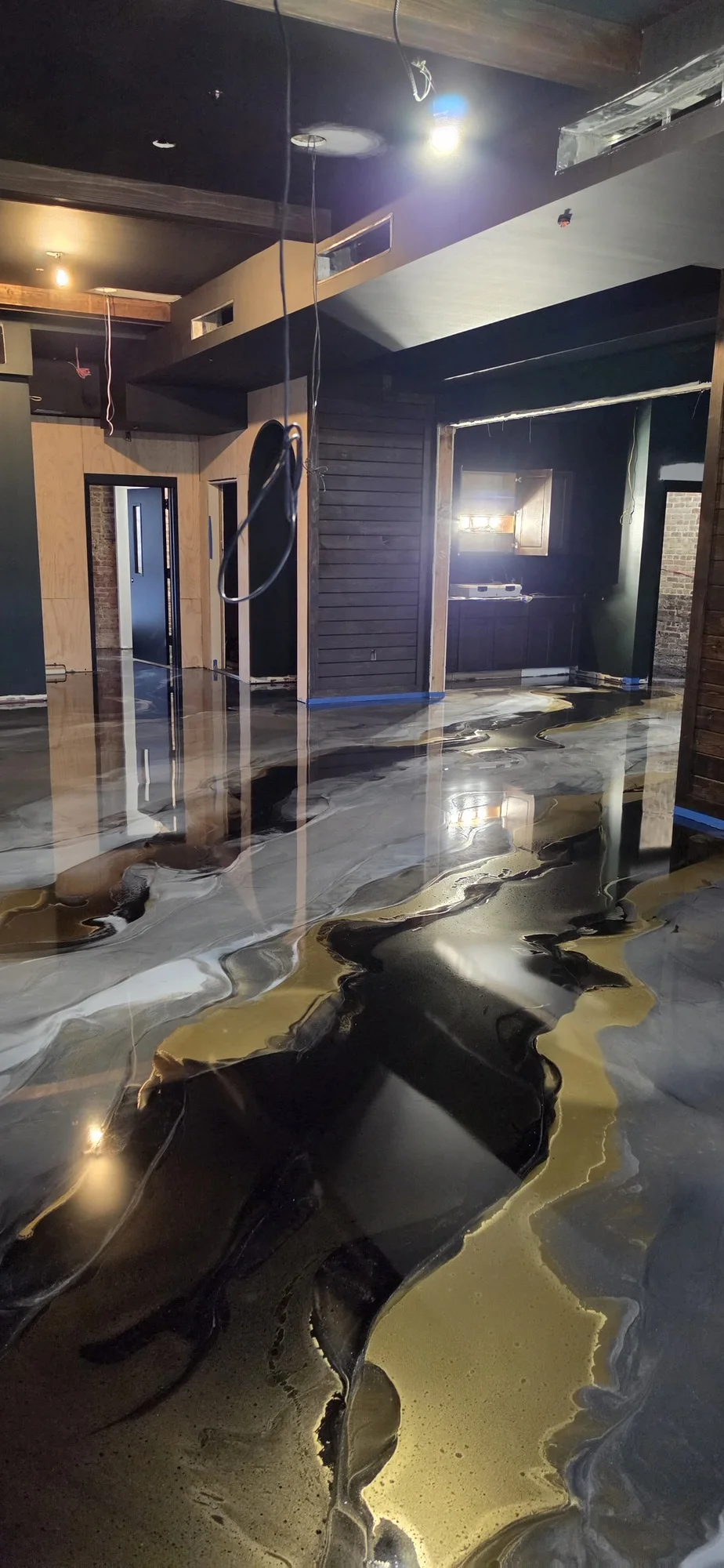
Agricultural Facility Flooring, from Danny’s side of the job
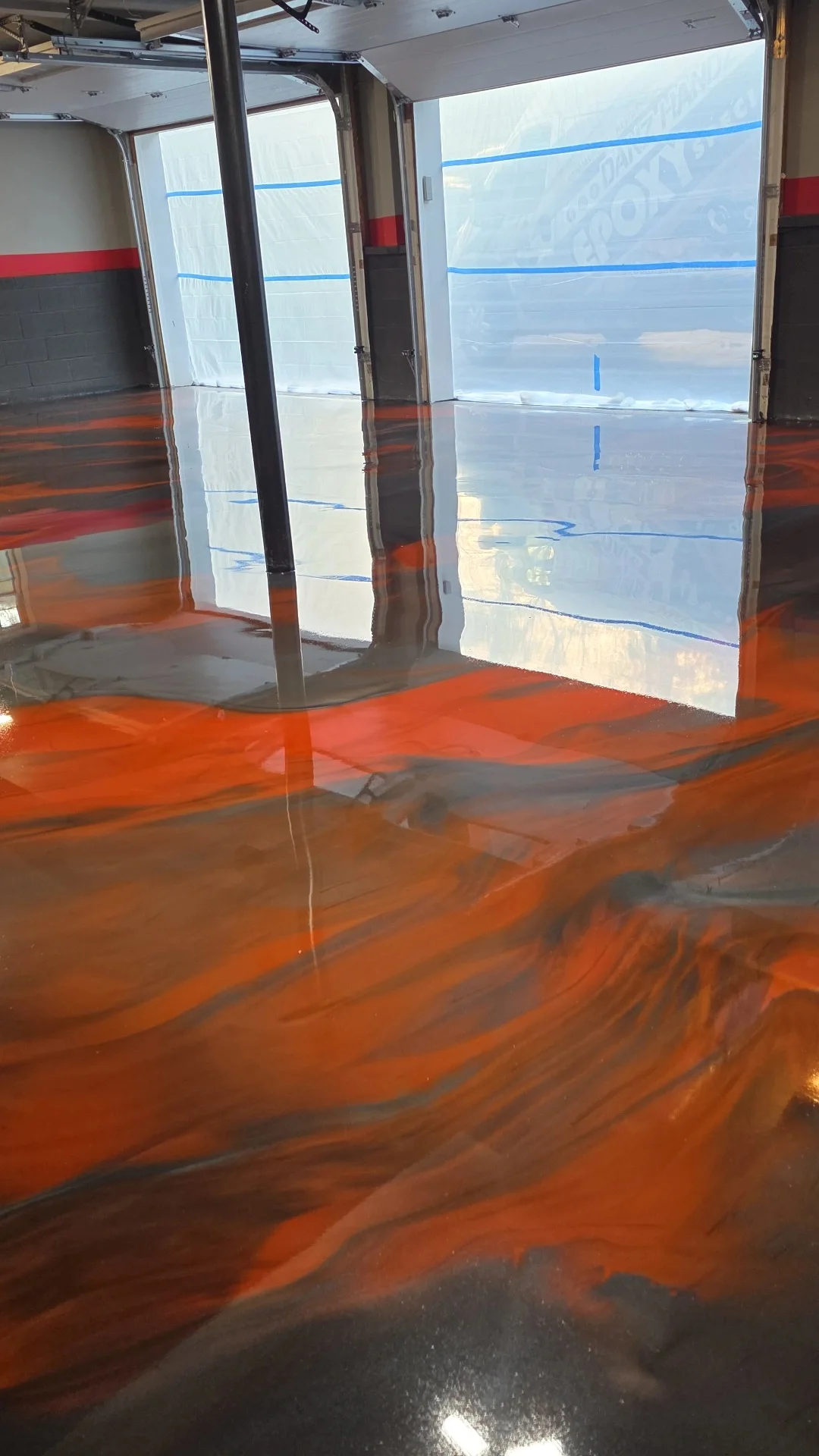
An agricultural floor is a resin system laid over ground concrete in working farm buildings. Packing sheds see wet produce, crates and washdown water. Equipment buildings see tractors, sprayers and the grime they bring in. Farm shops see oil, tools and repairs. A sealed floor keeps water and dirt on the surface where they can be hosed or scraped off, and texture can be added for footing. Danny chooses the system to the job’s requirements and the product data for what each building handles.
The building is cleared, the concrete is diamond ground, and cracks and broken edges are repaired.
Farm buildings vary a lot, and the floor has to match the use. A building that stores fertilizer or chemicals needs a system chosen for those specific products, from the list the farm provides. Floors in unheated buildings depend on the season for installation. Some older farm slabs were poured thin or without a base, and they may crack under heavy equipment no matter what is on top. Danny looks for that on the walk and says so if a slab is not a good candidate.
Danny walks the building with the farm operator and asks how it is used across the year, what gets stored or packed in it, and when it will be emptiest. He looks at the space, the traffic and what gets spilled on it before recommending a system. The job is scheduled for the slow season. The building is cleared, the concrete is diamond ground, and cracks and broken edges are repaired. Texture and finish are matched to how wet the floor gets. The floor cures before crates or equipment come back. The final walk covers the building with the operator.
The best time to coat a farm building is the month nobody is using it.
The order the work goes in
Farm buildings each do a different job, and the slow season decides when any of them can be emptied. These steps plan the work building by building around the farm calendar.

Touring buildings while they work
Danny tours the buildings while they are in use, so he sees the packing line running, the shop busy and the feed room full. A building looks very different empty, and the working view shows where each floor actually takes its beating.

Ranking buildings for the off-season
Each building is ranked by condition and by how easily it can be cleared. The operator picks which ones fit the coming slow months, and the rest go onto a plan for the following year so nothing is forgotten.

Checking thin or unsupported slabs
Older farm slabs were sometimes poured thin or straight onto soil. Danny looks for heaved sections, wide cracks and edges that crumble underfoot, and says plainly where a slab is not worth coating until the concrete itself is fixed.

Fitting texture to each building
Packing sheds get grit and a cove for washdown, equipment buildings get a heavier build for tires, and the farm shop gets a smoother topcoat that sweeps easily. Each system is chosen from the product data for what that building handles.
Refilling before the season starts
As each building cures, crates, equipment and supplies go back in. Danny walks it with the operator before planting or harvest picks up, so any problem shows while there is still time to deal with it.
More of Danny’s floors
Other jobs from the file, not all of them this service. See the gallery





Questions about agricultural facility flooring
When is the best time to schedule the work?
Usually during your slowest months, when the building can be empty for grinding, the pour and the cure. For unheated buildings, the weather also matters, since coatings need the right conditions to cure properly. Danny talks through timing with you on the walk so the job fits both your calendar and the season.
Can the floor handle tractors and heavy equipment?
On a sound slab, a resin floor handles equipment traffic well, and Danny can add more build in the bays that see the heaviest machines. The concrete underneath matters most. Thin or unsupported farm slabs can crack under heavy loads regardless of the coating, and Danny checks for that before recommending anything.
Can you coat a packing shed that gets washed down?
Yes. Packing sheds are a common fit, since a sealed, textured floor keeps water and produce residue on the surface where it can be hosed toward the drains. Danny checks how the floor slopes and where water goes, and he can add a cove at the walls for easier washdown.
Can a building that stores fertilizer get a different floor?
Yes. Fertilizers and farm chemicals vary a lot in how they affect concrete and coatings, so that building gets a system matched to the products stored there. Send Danny the product names, and he checks them against the product data. Containment for spills, like curbs or trays, is a separate decision the farm makes with its own advisors.
Will mud tracked in from the fields wear the floor?
Mud carries grit, and grit is what wears a topcoat over time. Scraping boots and tires at the door and hosing the entry regularly keeps most of it out. A textured finish also holds some mud in its profile, so a stiff brush during cleaning helps. Danny points out the entries that will need the most attention.
Can a cold-storage room on the farm be coated?
Often, if the room can be emptied and the cooling turned off for the work. Cold, damp concrete affects how coatings go down and cure, so the room has to be brought to suitable conditions first. Danny checks the room’s slab, its doors and how it drains before saying whether it fits the same window as the other buildings.
Close to this one
Auto, aviation, food, labs, schools, fitness, retail, parking and storage, matched to what actually hits the floor.
- Gym Epoxy FlooringCoated concrete for training gyms, with the slab sealed against chalk and sweat and rubber kept where the weights drop.
- Fitness Center Floor CoatingsFloors for fitness clubs, phased room by room so members keep a path, with different finishes for lobbies and locker rooms.
- Retail Showroom FlooringDecorative and metallic floors for showrooms, planned around the lighting and the layout so the floor sets off what is on display.
- Boutique Floor CoatingsHand-worked metallic and glitter floors for boutiques, salons and small galleries, poured so the floor carries some of the brand.
- Parking Garage CoatingsCoatings for the lanes, ramps and stalls of enclosed parking garages, phased level by level so residents and tenants can keep parking.
Danny works out of Cranford, NJ and covers about 60 miles: North and Central Jersey, the city and Long Island, the Hudson Valley counties, Fairfield County and eastern Pennsylvania. See every areaSee the gallery
Danz Handz
Danny Carrero, epoxy specialist
dhepoxy@gmail.com
Cranford, NJ. Mon to Sat, 8 to 6. Hablamos español.
Schedule a look at your floor
Describe the floor and what you have in mind. Danny calls back and comes out to look at it.