
Keeping coated floors in commercial buildings in shape
Coated floors in commercial buildings wear in lanes: the path from the loading door, the spot in front of the elevator, the turn at the end of a hallway. Those lanes dull and chip while the rest still looks fine, so maintenance goes after them on a schedule before they need a full recoat.
The short version of commercial property floor maintenance
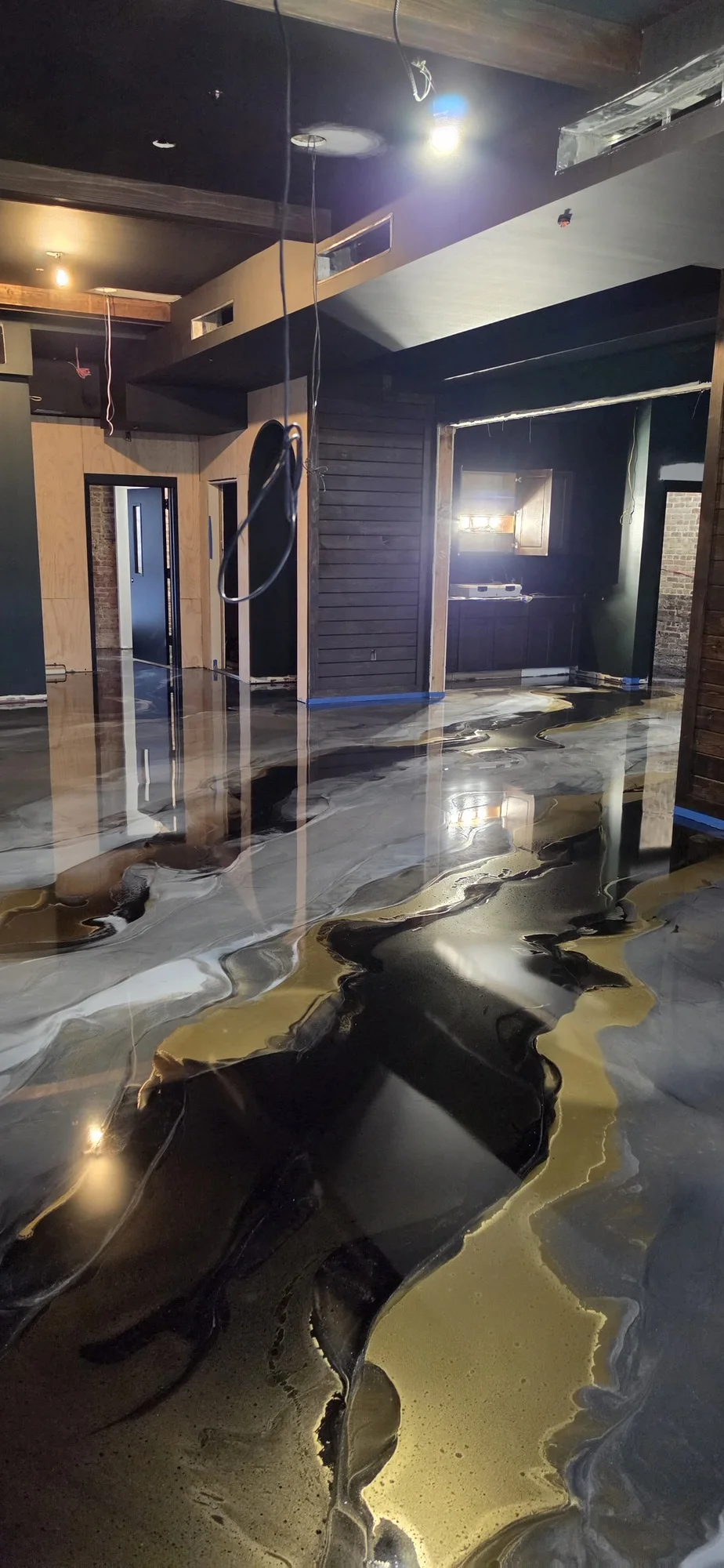
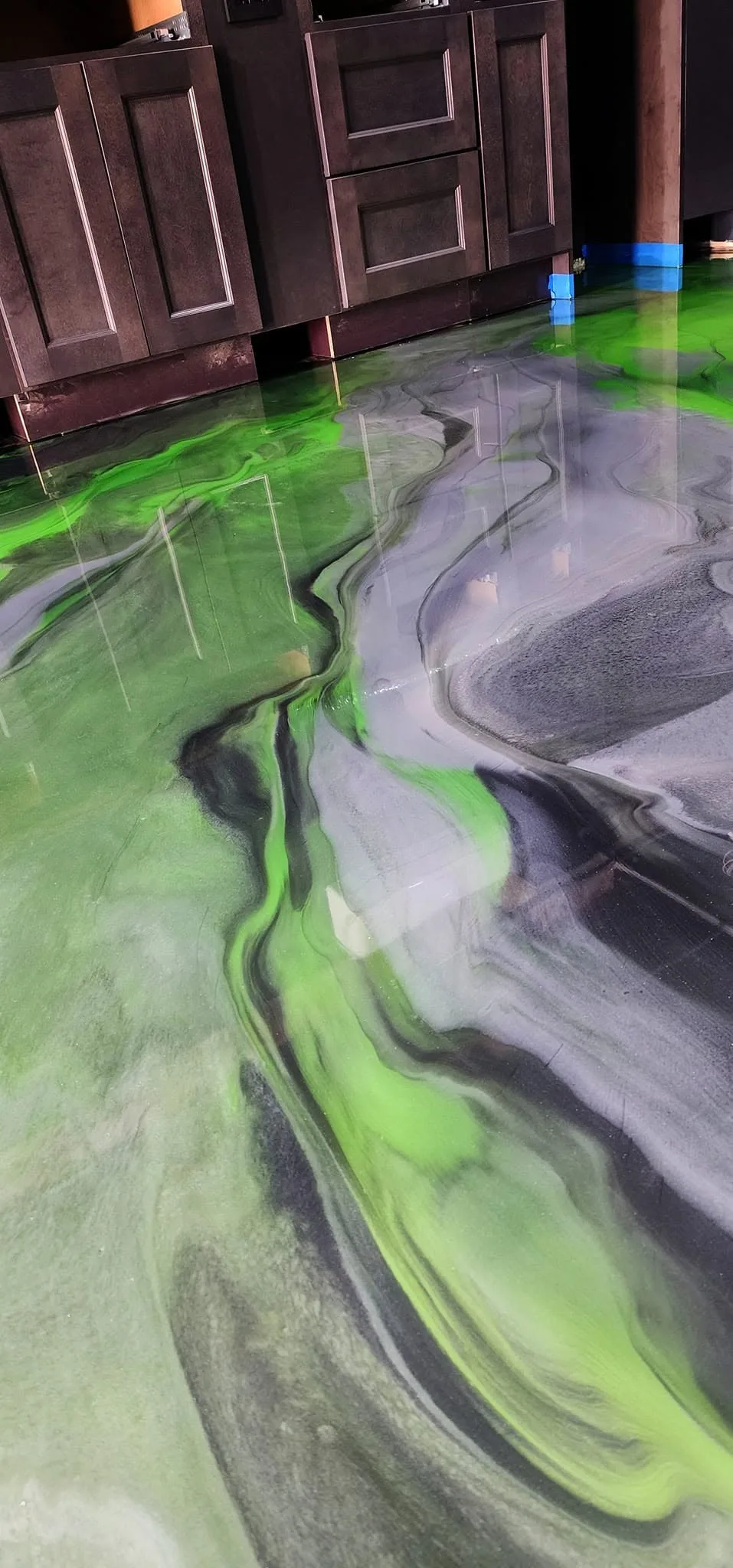
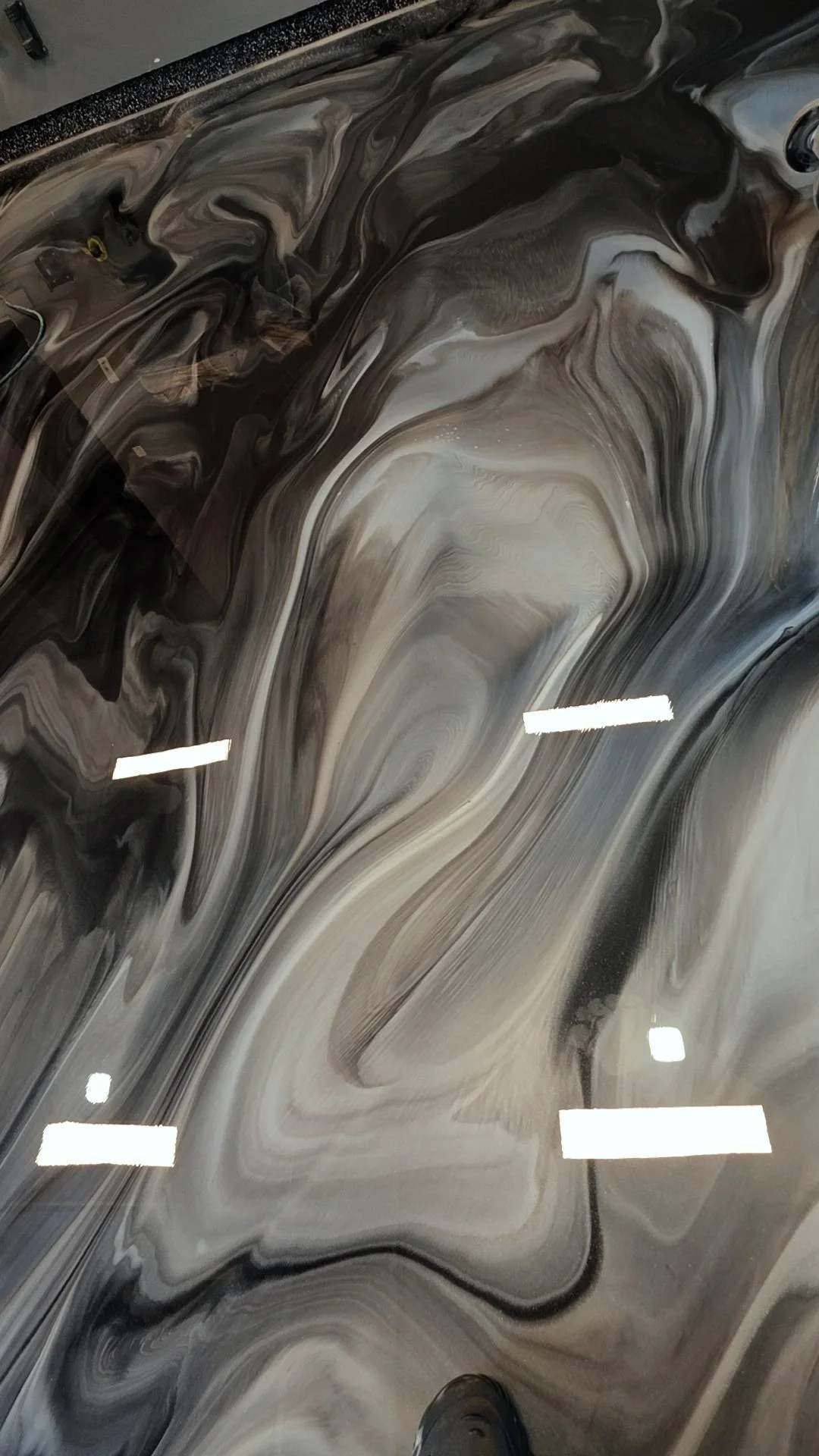
Floor maintenance on a commercial property means looking after a coating that is already down. Usually that is a recoat: the worn topcoat is ground or abraded, damaged spots are repaired, and a fresh clear coat goes over the whole area so it reads as one floor again. It means far less downtime for the building than tearing everything out. Danny works with material from Bulletproof Resins and checks whether the existing system will accept a new coat before he plans anything on top of it.
The area stays closed while it cures, then he walks it with the manager before it reopens.
It fits floors where the original coating is still bonded to the concrete across most of the area. It stops making sense when the coating is lifting in sheets, when moisture is pushing it up from below, or when someone painted over it with a product nothing will stick to. At that point a recoat is wasted money, and the floor needs a full grind and a new system. Danny will say which one your floor is after he walks it.
Danny walks the building with the owner or facility manager and looks at how the floor has worn, where it is chipped and whether the coating is still holding on. He tells you plainly if the floor is a recoat or a redo. For a recoat, the area is closed, the old surface is ground or scuffed so the new layer can bond, damaged spots are repaired and leveled, and the clear coat goes down. The area stays closed while it cures, then he walks it with the manager before it reopens.
Catching wear early is cheaper than waiting until the concrete shows through.
How the work runs
Maintenance on a coated commercial floor starts by reading how it has worn, then adds a fresh wear layer while the existing system can still take one.

Tracing wear through the building
Danny walks the routes people actually use: loading door to freight elevator, lobby to mailroom, the turn at the end of each hallway. He compares the dull patches with the still-glossy strips along the walls, which show what the whole floor looked like when it was new.
Working out what is down now
Before planning anything on top, he figures out what the floor is: flake, solid color or clear over stained concrete, and whether a past contractor’s paperwork exists. A careful scratch at the edge of a chip shows how many layers are there and how well they are holding.
Rebuilding chipped door and elevator edges
Thresholds, elevator sills and loading doors take the hardest hits from carts and hand trucks. Chipped coating at those spots is cut back to well-bonded material, filled and ground level, so the fresh layer ties into a sound edge right where the next cart will hit.
Screening and rolling the new layer
The area is cleaned of cleaner film, screened with a fine abrasive and vacuumed, and the fresh clear is rolled across the full room or corridor in one session. Covering the whole area keeps the sheen even under the bright lighting most commercial buildings have.
Briefing the cleaning crew
After the cure, Danny walks the area with the facility manager and shows the cleaning staff what dulls a coated floor, such as strong degreasers left to dry and gritty mop heads. Mats return at the doors, and the area reopens to tenants and visitors.
More of Danny’s floors
Other jobs from the file, not all of them this service. See the gallery





Questions about commercial property floor maintenance
How do we know if the floor needs a recoat or a full redo?
Danny looks at whether the coating is still bonded across most of the floor. If it is worn and scratched but holding on, a recoat usually works. If it is peeling, bubbling or coming up in pieces, a recoat will peel with it, and the floor needs to be ground down and done again. He decides that on the walk.
Can only the worn sections be recoated?
Sometimes, though a patch of new topcoat can look a little different next to an older surface, especially under bright lighting. Many owners recoat a whole room or hallway so the sheen matches. Danny will show you where a partial recoat would show and let you decide whether that matters in that part of the building.
Can work happen while the building is open?
Usually, if the area being coated can be closed off. Danny can work section by section so tenants and visitors still get through the building. The owner handles access, signage and tenant notices. How the sections break down depends on the layout and the traffic, which he works out with the manager on the walk.
Can a recoat change the color of a tired commercial floor?
Yes, if the existing coating is still bonded. After repairs and screening, a new color coat can go down before the clear, which is a common way to update a lobby or corridor without removing the old system. A big change, such as dark to light, may take an extra coat. Danny shows samples over a scuffed test patch first.
Can our cleaning contractor keep using an auto-scrubber on the coated floor?
Usually, with the right pads. A soft, non-abrasive pad and a neutral cleaner suit most coated floors, while aggressive stripping pads cut into the topcoat and leave dull lanes. Danny looks at the machine and the pads the contractor uses and says which are fine on that finish and which to retire.
Should stair landings and back halls be part of the recoat?
Often, yes, since those floors usually went in at the same time and wear on a similar schedule. Stair landings take concentrated foot traffic and back halls take carts. Doing them while Danny is already on site keeps the building’s coated floors on one cycle. He checks each one on the walk and says whether it is ready.
Next to this on the list
Apartment garages, condo and HOA spaces and rental turnovers, for managers who want it done once.
- Rental Home Concrete Floor SealingClear sealing for bare concrete in rental basements, utility rooms and garages, to stop dust and slow stains while the floor keeps its own look.
- Property Portfolio Floor Coating MaintenanceOngoing upkeep for coated floors across many properties, sorted by what each floor needs, with one standard look for each type of space.
- Commercial Building Concrete RestorationOld commercial slabs stripped of paint, glue and failed coatings, repaired and leveled, then coated, sealed or handed off clean for new flooring.
- Apartment Garage Floor CoatingsCoated floors for tenant garage bays at apartment properties, done by the row or at turnover so bays clean up fast.
- Multifamily Property Concrete CoatingsCoatings for the garages, laundry rooms, storage areas and back halls of an apartment building, planned room by room so the property keeps running.
From Union County out to the Lehigh Valley, Long Island and Fairfield County, the work is all within about 60 miles of Cranford. See every areaSee the gallery
Danz Handz
Danny Carrero, epoxy specialist
dhepoxy@gmail.com
Cranford, NJ. Mon to Sat, 8 to 6. Hablamos español.
Schedule a look at your floor
A short note about the space is enough. Danny calls back and books a walkthrough.