
Coated floors for Self-Storage units and corridors
When a prospect rolls up the door on an empty unit, the floor is most of what they see. A bright, sealed coat makes a stained unit look ready to rent, and it sweeps out quickly between tenants. Danny can work through the corridors and vacant units in batches so occupied units stay reachable.

The short version of storage unit concrete floor coatings
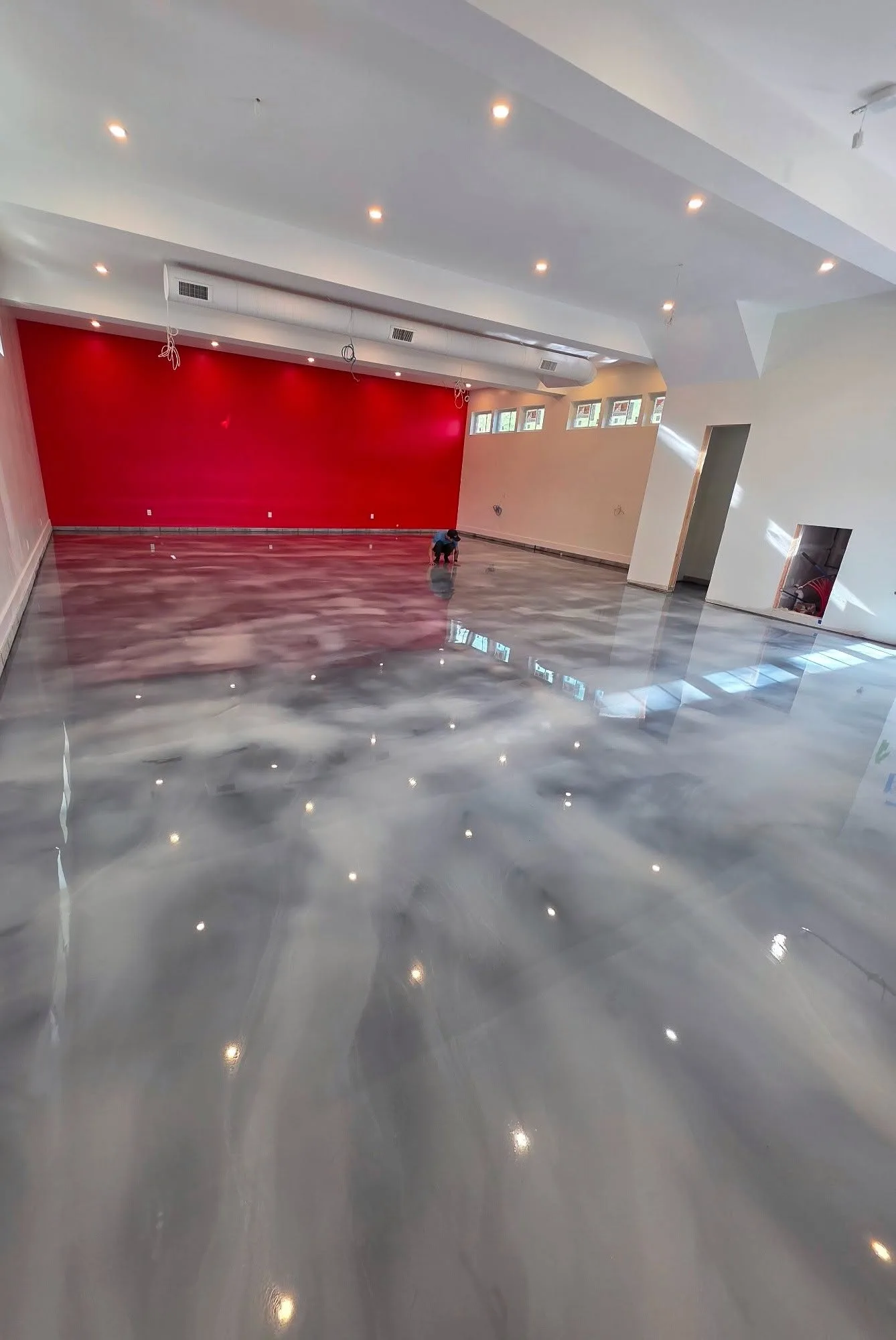
The coating is a resin system poured over ground concrete in the units and the corridors that connect them. A light solid color makes an interior building feel brighter and cleaner, and a flake finish hides tire marks from hand carts and dollies. The surface keeps concrete dust off stored furniture and boxes and gives the cleaning crew an easy floor to sweep between tenants. Danny looks at the building, how carts move through it and what tenants tend to drag or spill before recommending a system.
Each area gets a final walk after the cure before it reopens or goes back on the rental list.
It fits climate-controlled interior buildings and indoor corridors on a slab, where the floor stays dry. Drive-up units with roll-up doors facing the weather are harder, because rain and snow blow in and the slab at the threshold freezes and thaws, so those often get a textured finish near the door. Units with old oil stains from stored vehicles need extra grinding. A facility that cannot empty units in a block may have to coat floors as each one turns over.
Storage work runs around occupancy. Danny walks the building with the manager and looks at which corridors and units are empty, which are rented and where carts and dollies wear the floor most. Corridors are usually done after hours or in sections so tenants can still reach their units. Vacant units can be ground, repaired and poured in batches, and occupied ones get added as they turn over. Each area gets a final walk after the cure before it reopens or goes back on the rental list.
An empty unit with a clean, bright floor is easier to show a new tenant.
How Danny does the job
Self-storage floors get done around occupancy, so the work starts with the vacancy list and moves through corridors and empty units in batches.


Pulling the vacancy list
Danny starts with the manager’s list of empty units and the ones expected to empty soon. Units next to each other are grouped into batches, and the corridors serving them are scheduled at the same time so a whole stretch of the building can be finished together.

Masking doors and partitions
Roll-up doors are raised and their tracks covered, and the bottom edges of metal partition walls are taped off. Where a partition sits on a base channel, the coating is planned to stop neatly at the channel instead of creeping under the steel.

Grinding threshold grime
The floor just inside each door carries the most dirt, from tenants dragging boxes and furniture over the sill. Those strips, along with leftover stains from earlier tenants, are ground hard, and cracks and spalls at the door line are repaired.
Corridors after access hours
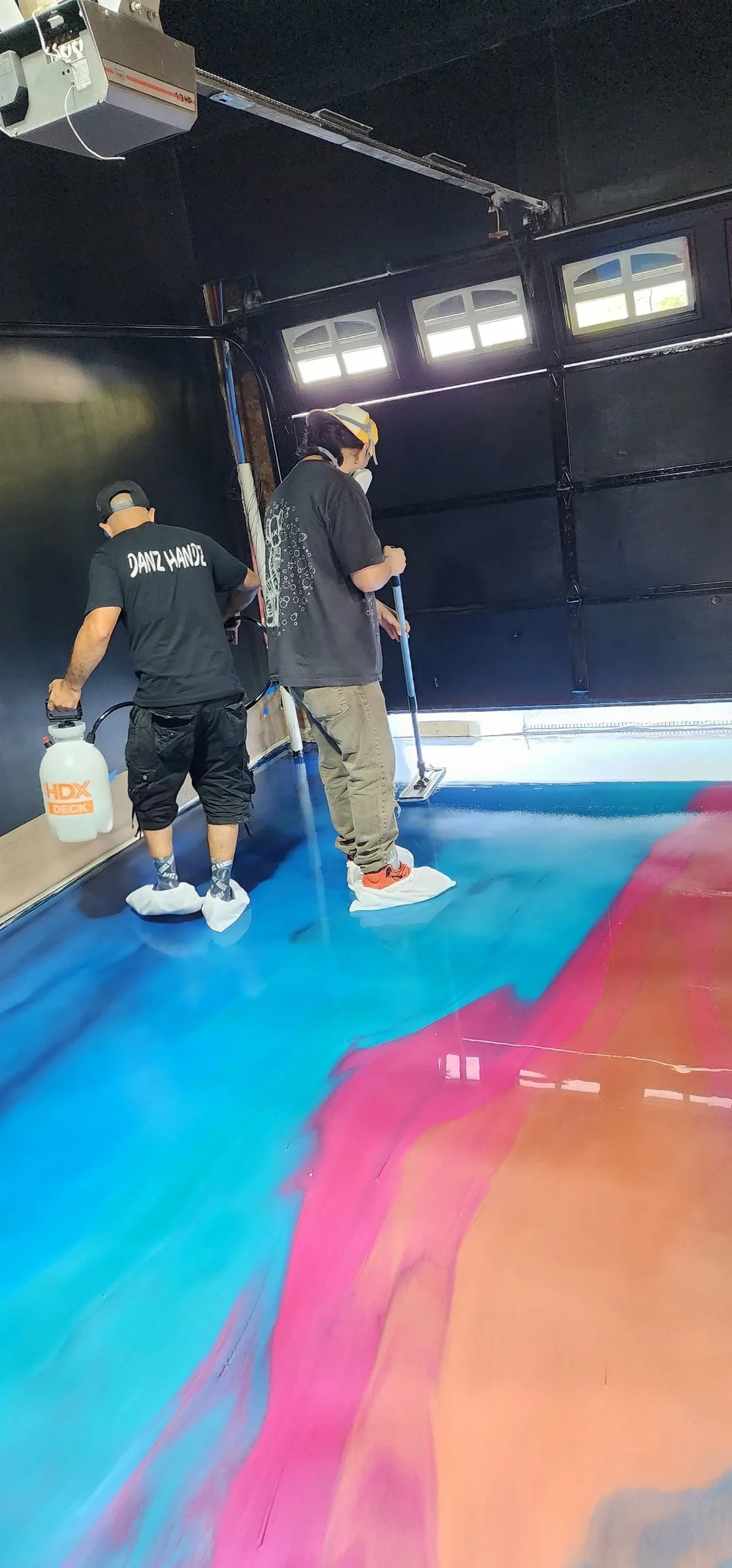
Corridors are coated in sections after tenant access closes for the night, with signs routing people to an open hallway the next day. Units in the batch get the same light color as the corridor, so the building looks consistent from the elevator to the back wall.

Back on the rental list
Once each batch cures, Danny walks it with the manager and rolls up a few doors to check the edges at partitions and thresholds. Clean, bright units can then be photographed for listings and returned to the rental list.
More of Danny’s floors
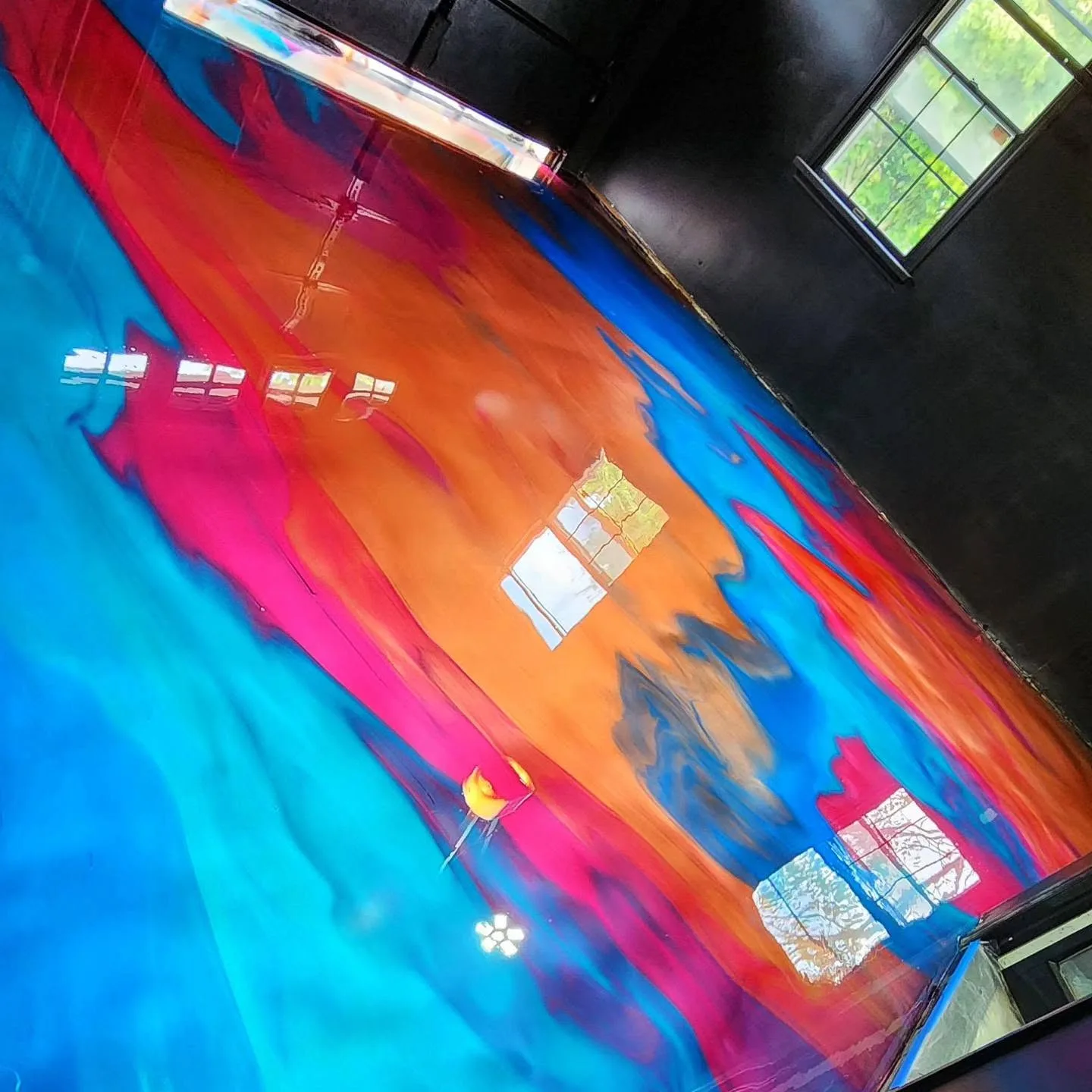
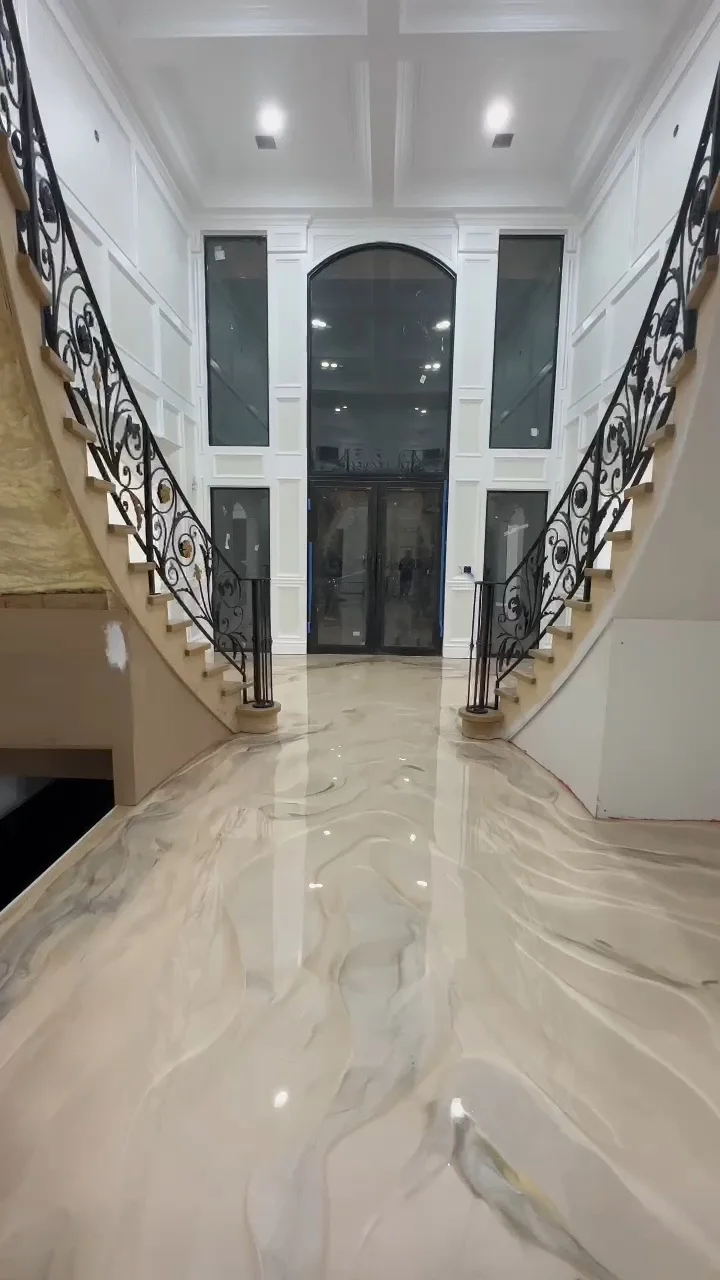
Other jobs from the file, not all of them this service. See the gallery




Questions about storage unit concrete floor coatings
Can you coat units that are already rented?
Not while they are full. A unit has to be empty for grinding and the pour, so occupied units are usually coated when a tenant moves out. Many owners start with the corridors and the vacant units, then add the rest as they turn over. Danny can plan a schedule that matches how your units move.
Do drive-up units need a different finish?
Often they do. Drive-up units face weather at the door, and the slab near the threshold gets wet and cold through winter. A textured finish near the door and a system chosen for those conditions works better there than an interior gloss. Danny looks at the doors, the slope and how water gets in before he recommends a system for each building.
Will hand carts and dollies mark the floor?
Some marking is normal, especially from rubber wheels pivoting in one spot. A flake finish or a mid-tone solid hides those marks better than a pure white floor. Most scuffs clean up with a damp mop and a neutral cleaner. Danny can show finish samples so you can see how each one handles a dolly track.
How is the floor finished where metal partitions meet it?
Partition walls usually sit on a steel base channel or are anchored to the slab. The coating stops tight to the channel, with a neat edge, so it does not lift where the metal moves when doors are slammed. If a partition is loose or rusted at the base, Danny points it out so it can be fixed first.
Is a new building easier to coat before it opens?
Much easier. Every unit is empty, the corridors are clear and nobody needs access, so the whole building can be coated in one sequence. The slab has to be ready for coating according to the product data, which Danny checks before scheduling. Coordinating with the builder’s schedule keeps the floor from being scraped by other trades.
Should the loading area get the same finish as the corridors?
Usually it gets more. The loading area and the elevator lobby take carts, dollies and tenants backing in with heavy furniture, often with wet shoes. A heavier topcoat with light texture handles that better. It can stay in the same color as the corridors so the building still looks like one place.
Other industries work
Auto, aviation, food, labs, schools, fitness, retail, parking and storage, matched to what actually hits the floor.
- Concrete Parking Deck ProtectionProtective coatings for exposed parking decks, applied over sound concrete to keep salt and water out, phased so the deck stays in use.
- Facility Aisle CoatingsCoatings for warehouse and plant travel aisles only, stopping at the rack line so loaded racks stay put while the lanes get sealed.
- Auto Shop Epoxy FlooringResin floors for auto repair, tire and detail shops, built for the bays and good-looking enough to show off from the front counter.
- Mechanic Shop Floor CoatingsShop floors chosen for the techs on them: light enough to see under the car, smooth for creepers, textured where boots get oily.
- Vehicle Service Bay FlooringService bay floors coated around lifts, brought to the drains, and repaired at the door where slush and salt come in.
Every county Danny covers, and every town in them, has its own page. See every areaSee the gallery
Danz Handz
Danny Carrero, epoxy specialist
dhepoxy@gmail.com
Cranford, NJ. Mon to Sat, 8 to 6. Hablamos español.
Tell Danny about the floor
Tell Danny about the space. He calls you back, comes out, looks at the concrete and talks it through before anything gets decided.