
Sealers that soak into concrete and leave no film
A penetrating sealer soaks into the concrete and leaves no shine or film, so the slab looks and feels the same underfoot. It suits garages, walkways, patios and basement floors where a coating would look wrong, and floors where an old film sealer peeled off and left a patchy mess.


What goes into penetrating concrete sealers
A penetrating sealer soaks into the pores of the concrete and reacts or settles inside the surface instead of building a layer on top. Water and many spills bead up and soak in more slowly, while the concrete looks and feels much as it did before. Because nothing sits on the surface, there is no film to scratch, wear through or peel under hot tires. Different types exist, and the right one depends on whether the slab is inside or out and what it needs to resist.
Because nothing sits on the surface, there is no film to scratch, wear through or peel under hot tires.
It fits slabs where the natural look matters and where a film would cause trouble: garages with hot tires, outdoor slabs facing freeze and thaw, and floors that need to stay matte. The tradeoff is protection. A penetrating sealer slows stains without stopping them, and it gives no gloss or color. It also needs bare, open concrete to soak into, so old film sealers, paint and coatings have to come off first. Danny chooses the product for your slab using the product data.
Danny walks the slab and checks whether it will take a penetrating sealer at all. He looks for old sealers, paint and coatings, and he puts a few drops of water down to see how quickly the concrete absorbs it. Anything sitting on the surface is removed, by grinding where needed, and cracks and spalled spots are repaired. The slab is cleaned and left dry, and the sealer is applied so it soaks in evenly across the whole surface. After it cures, he walks the slab with you and sets water on it again, so you can see the difference.
A good penetrating sealer leaves the concrete looking like nothing was done to it.
From bare slab to finished floor
A penetrating sealer only works when it can soak in, so these stages focus on getting the concrete open, clean and dry enough to drink it.
Checking for anything on top
Danny looks for sheen, a slick feel underfoot or water that sits instead of soaking in, each a sign of an old film sealer, paint or curing compound. Any of those has to come off, or the penetrating sealer will just sit on top and wipe away.
Inside or outside product
He decides with the owner which type suits the slab. An interior basement floor and a patio that freezes through the winter need different chemistry, and some types handle oil better while others are aimed mainly at water and salt.
Opening the pores back up
Old films are ground off, and dense, troweled concrete gets a light grind or a scrub so the sealer can reach into it. Spalled spots and cracks are repaired so they do not let water slip in under the treated surface.
Saturating without puddling
On a clean, dry slab, the sealer is applied until the concrete stops absorbing, worked into thirsty areas and spread out where it starts to pool. Excess left on the surface is wiped or brushed in, since dried excess can leave a sticky or shiny patch.
Where the sealer drank most
After the cure, Danny walks the slab with the owner and checks the areas that took the most sealer, the places most likely to show uneven protection. He explains the signs of wear, such as water darkening the concrete faster than it did right after treatment.
More of Danny’s floors
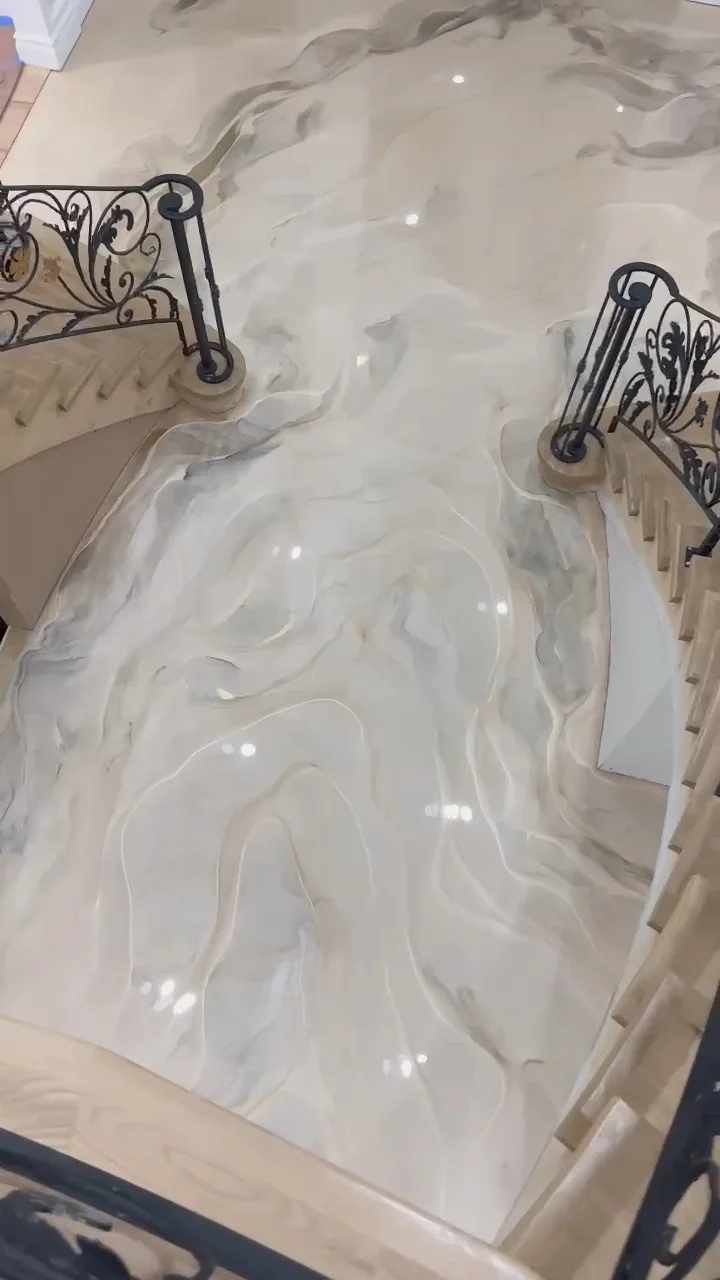
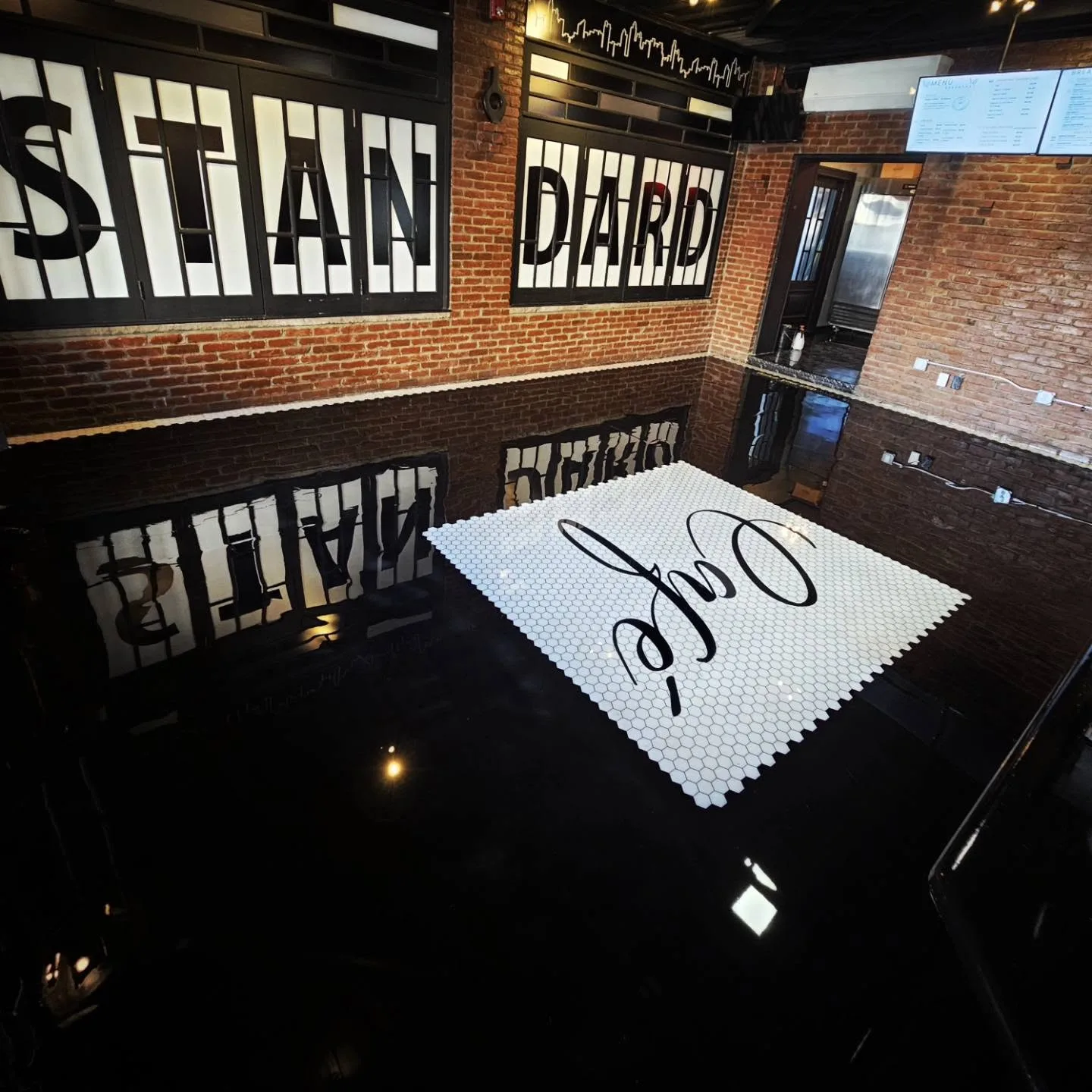
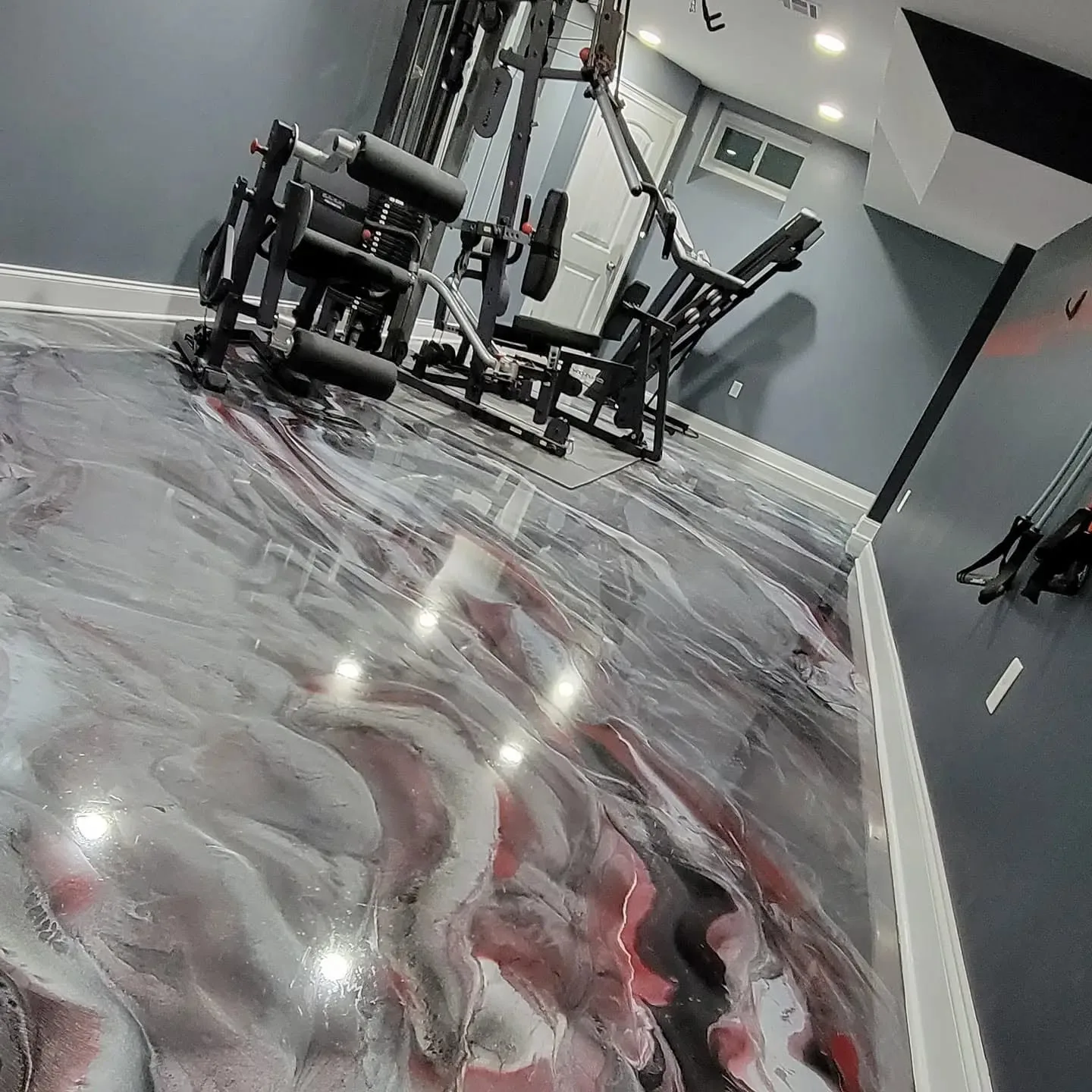
Other jobs from the file, not all of them this service. See the gallery





Questions about penetrating concrete sealers
How is a penetrating sealer different from a regular sealer?
A film-forming sealer builds a thin layer on top of the concrete, often with some sheen, which can scratch or peel. A penetrating sealer soaks into the concrete and leaves no film, so the surface looks and feels unchanged. Danny recommends one or the other based on the slab and how it gets used.
Will it protect against oil stains?
It slows oil and other spills from soaking in, which gives you more time to wipe them up. It does not make the slab stain-proof, and oil left sitting for a long time can still mark it. If stain resistance is the top priority, a coating gives more protection, and Danny will talk that through.
Can a penetrating sealer go over an old sealer?
Usually not. It needs bare concrete to soak into, and an old film sealer or paint blocks it. The old layer is removed by grinding or another method before the penetrating sealer goes down. Danny checks for existing sealers during the walk.
Will a penetrating sealer protect an outdoor slab from winter salt?
It helps. By slowing how fast salty water soaks into the concrete, a penetrating sealer reduces the freeze damage and scaling salt causes over a winter. It does not make the slab immune, and salt left on it for long stretches still does harm. Clearing snow and rinsing the slab in spring add to the protection.
Can a penetrating sealer be used on a new concrete slab?
Usually, once the concrete has cured enough for the product, which the product data spells out. Fresh slabs often carry a curing compound from the finisher, and that may need to come off first. Danny checks a new slab’s age and surface before applying anything, since sealing too early can trap moisture.
Does a penetrating sealer stop concrete from dusting?
Not really. A penetrating sealer slows water and stains, and some types tighten the surface slightly, though a dusting slab needs a densifier to harden it. The two are often paired, densifier first and the penetrating sealer after. Danny looks at how much the slab is shedding and recommends one or both.
More from the sealing section
Sealing, densifying, polishing and waterproofing for the slabs that do not need a full coating.
- Concrete PolishingExisting slabs ground, refined and polished to an even sheen, or older polished floors brought back up from a finer stage.
- Concrete Stain RemovalOil, rust, paint and old spill stains cleaned or ground out of bare concrete, ready for a sealer, polish or new coating.
- Concrete Floor Paint RemovalPeeling floor paint ground off down to bare concrete, so the slab can take a sealer, polish or coating that bonds properly.
- Concrete WaterproofingSealers and coatings that keep surface water on top of a basement or garage slab, with an honest read on water coming from below.
- Concrete Moisture MitigationA moisture-mitigating base layer under the coating for slabs that push vapor up from below, chosen from a third-party moisture test.
He drives out from Cranford about 60 miles in every direction for floors like this one. See every areaSee the gallery
Danz Handz
Danny Carrero, epoxy specialist
dhepoxy@gmail.com
Cranford, NJ. Mon to Sat, 8 to 6. Hablamos español.
Tell Danny about the floor
Send a few lines about the room and the look you want. Danny will call and set up a time to see it.