
Floors for creameries and small dairy plants
Spilled whey that gets into pitted concrete sours there, and in a creamery the pits are usually around the vats and under the filler. A sealed floor keeps that residue on top, where the next washdown takes it. Danny repairs the pitting first, since a coating follows whatever shape the slab underneath has.
The short version of commercial dairy facility flooring
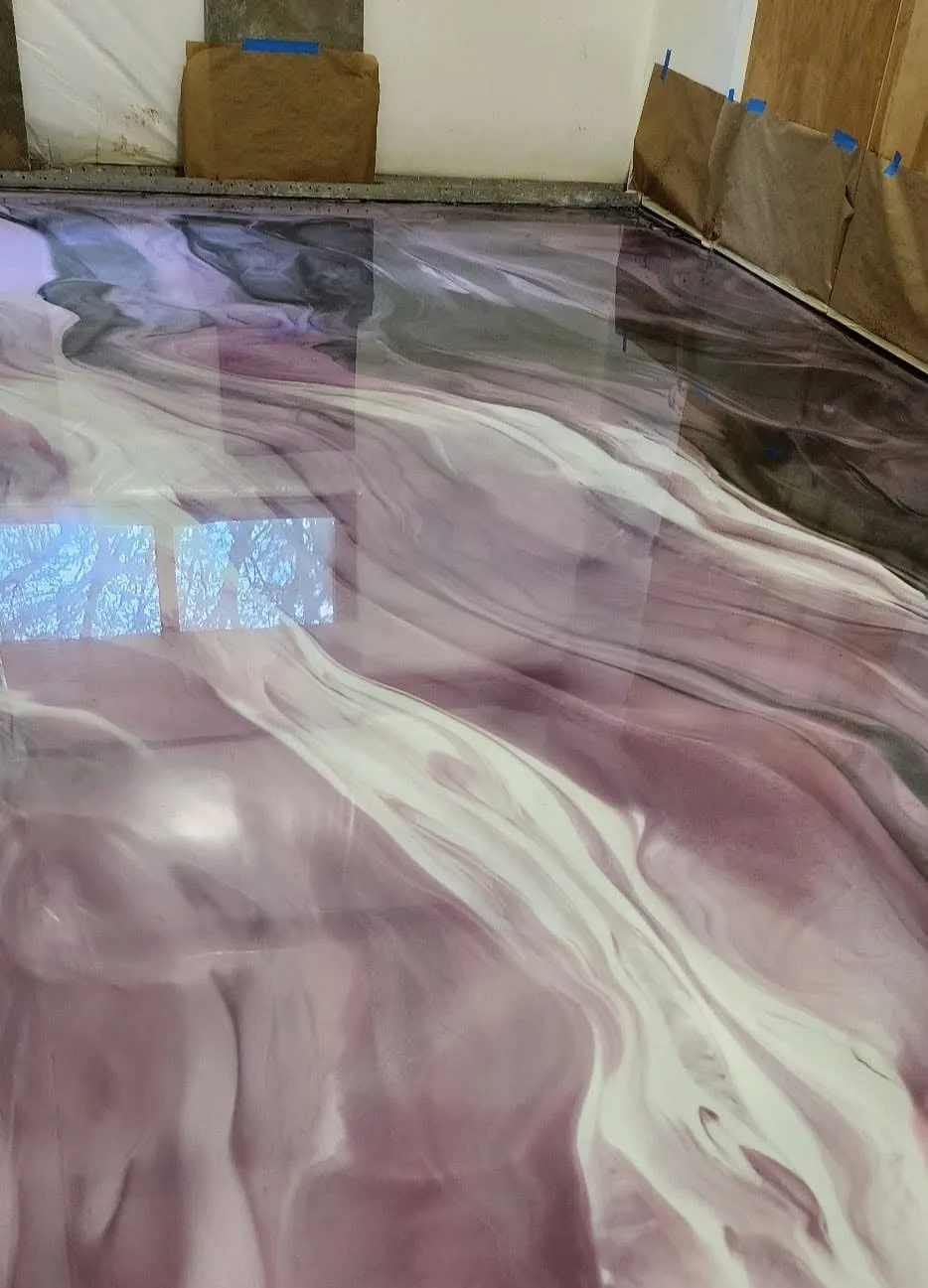
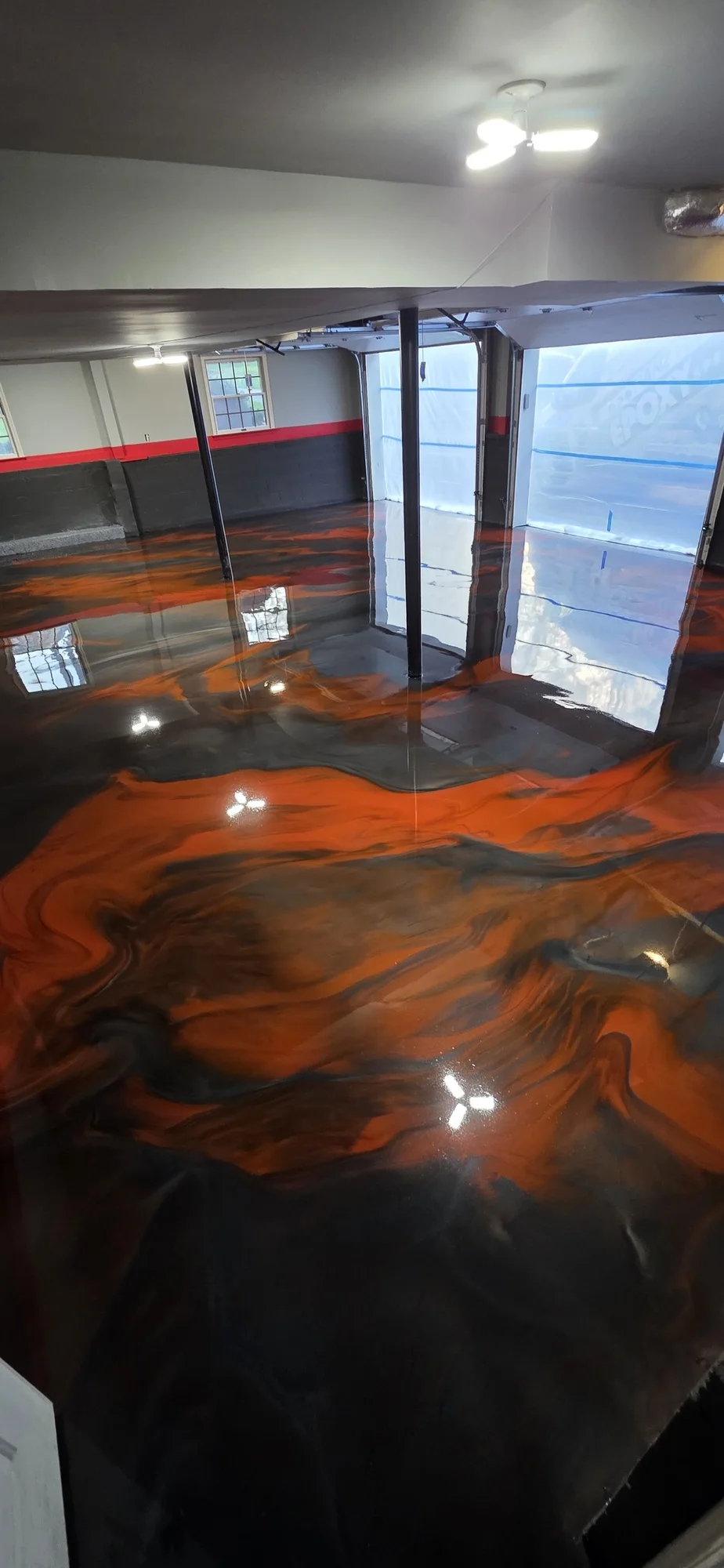
Dairy facility flooring is a resin system poured over ground concrete, coved at the walls and around equipment bases, with slopes repaired toward drains so wash water clears the room. Soured milk and whey are acidic, and the cleaners used in dairy rooms are strong, so the system is chosen with both in mind. Cheese aging rooms, ice cream freezers and bottling areas each have their own conditions. Danny checks each room’s traffic and spills, then holds the product data up against the plant’s cleaners before recommending a system.
Danny walks the facility with the owner or plant manager, starting where the milk comes in and following it through the rooms.
It fits creameries, cheese plants and small dairy processors on a slab that can close one room at a time. Aging rooms with high humidity and freezers that cannot warm up are harder and may need a specific system or a longer shutdown. Floors with years of acid damage need deeper grinding and repair. Rooms that stay wet even when idle point to drainage or moisture problems that have to be sorted before any coating. Danny looks for those signs on the first walk.
Danny walks the facility with the owner or plant manager, starting where the milk comes in and following it through the rooms. He looks at the floor around the vats, the fillers and the drains, and notes which rooms run cold or humid. He asks for the cleaning chemicals list. The work is scheduled room by room to match production. Each room is emptied, diamond ground, repaired at drains and damaged spots, and poured with its cove. Equipment and product come back once the room has cured and the owner has walked it with him.
Milk is gentle on people and hard on bare concrete.
Five stages, every time
Dairy work is planned along the path milk takes, from the tanker bay to the cooler. Each stage below is fitted to the plant’s production days.


Reading the tanker bay
The tanker bay takes truck tires, dragged hoses and constant rinsing, and its floor often shows the first heavy wear in a dairy. Danny looks at the door line, the drains and how hoses are run across the floor before moving on to the processing rooms.

Testing the slab for damp
Rooms that stay wet even when idle may have moisture coming up through the concrete. The slab is checked for it before any system is chosen, since moisture from below can lift a coating that would otherwise hold. Where it is found, a system suited to it is selected from the product data.

Grinding out lactic acid pits
Pitting around vats and fillers is ground back to sound concrete, and the deeper pits are filled and leveled. The grinding goes past the stained, softened layer, since soured milk works down into the pores and leaves weak concrete under a surface that can look sound.

Coving vat legs and filler bases
The system goes down with coves at the walls and around the bases of vats, fillers and separators where they can be reached. Slopes are carried to the drains so CIP water and rinse runoff leave the room.
Production after a full clean
When the room cures, Danny walks it with the owner or plant manager. The plant then runs its cleaning program before any milk comes back through, and the first wash shows whether the water clears the room the way it should.
More of Danny’s floors
Other jobs from the file, not all of them this service. See the gallery








Questions about commercial dairy facility flooring
Why does our dairy floor keep pitting?
Milk residue sours into lactic acid, and many dairy cleaners are acidic or caustic. Bare concrete slowly breaks down under both, which leaves pits that hold residue and make the floor harder to clean. A resin system keeps those liquids on the surface. Before the pour, the damaged top layer is ground away and the deeper pits are filled.
Can you do our cheese aging room?
Aging rooms are humid and kept cool, which affects which systems can go down and how the room has to be prepared. The room usually needs to be emptied, dried out and brought to a workable temperature for the job. Danny looks at the room, talks through your aging schedule and tells you what the work would require.
Does the floor need to go up the walls?
In dairy rooms it usually should. A cove base turns the floor up the wall a few inches so wash water and milk residue do not collect in the corner where floor meets wall. It also gets coved around equipment bases where possible. Danny looks at the wall surfaces during his visit to see how the cove will finish.
What about the tanker receiving bay?
It takes the heaviest traffic in the plant, from trucks and hoses dragged across the floor. The bay usually gets a heavier textured system, with the door line rebuilt where trucks back in. If the bay is open to the weather, the system is chosen for that too. Danny plans it as its own stage so receiving can continue.
Does CIP discharge onto the floor matter?
It does. Clean-in-place cycles often dump hot caustic and acid solutions that run across the floor to the drain. Those chemicals and their temperatures go on the list Danny checks against the product data, and the path they take is given extra attention when the system is chosen and when slopes are rebuilt.
Can our farm store floor match the plant?
Yes. A shop where customers buy cheese, milk or ice cream can carry a decorative floor in the same color family as the plant, with a smoother finish, since it sees shoes and the odd spill instead of washdowns. It is usually done in its own closure so the store can plan around it.
Related floors
Commercial kitchens, bakeries, breweries and cold rooms, with coved bases and slip-resistant finishes.
- Commercial Restaurant Floor CoatingRestaurant floors planned front and back together: a decorative finish for the dining room and a working system for the kitchen.
- Restaurant Kitchen Resin FlooringBack-of-house resin floors that run under the cook line and up the wall, replacing tile that has cracked or gone black.
- Commercial Bakery Floor CoatingsBakery floors with enough texture for wet spots and a smooth enough surface to sweep flour, with cove bases to keep corners clean.
- Food Processing Plant FlooringHeavy resin floors for food plants, coved and sloped to drains, chosen to the cleaning program and phased across shutdowns.
- Commercial Brewery FlooringBrewhouse floors chosen for hot spills and cleaners, plus decorative taproom floors, planned around the brew schedule and tanks in place.
Danny works out of Cranford, NJ and covers about 60 miles: North and Central Jersey, the city and Long Island, the Hudson Valley counties, Fairfield County and eastern Pennsylvania. See every areaSee the gallery
Danz Handz
Danny Carrero, epoxy specialist
dhepoxy@gmail.com
Cranford, NJ. Mon to Sat, 8 to 6. Hablamos español.
Schedule a look at your floor
Tell Danny what you are working with. He will call, then come look before anyone talks numbers.