
Floor systems for slabs that push up moisture
Basements, older buildings and slabs poured without a vapor barrier can stay damp from below, and that moisture is a common reason coatings bubble and peel. When past floors have let go, the first job is finding out why. Danny looks at the slab, the room and its history before saying whether any system belongs on it.
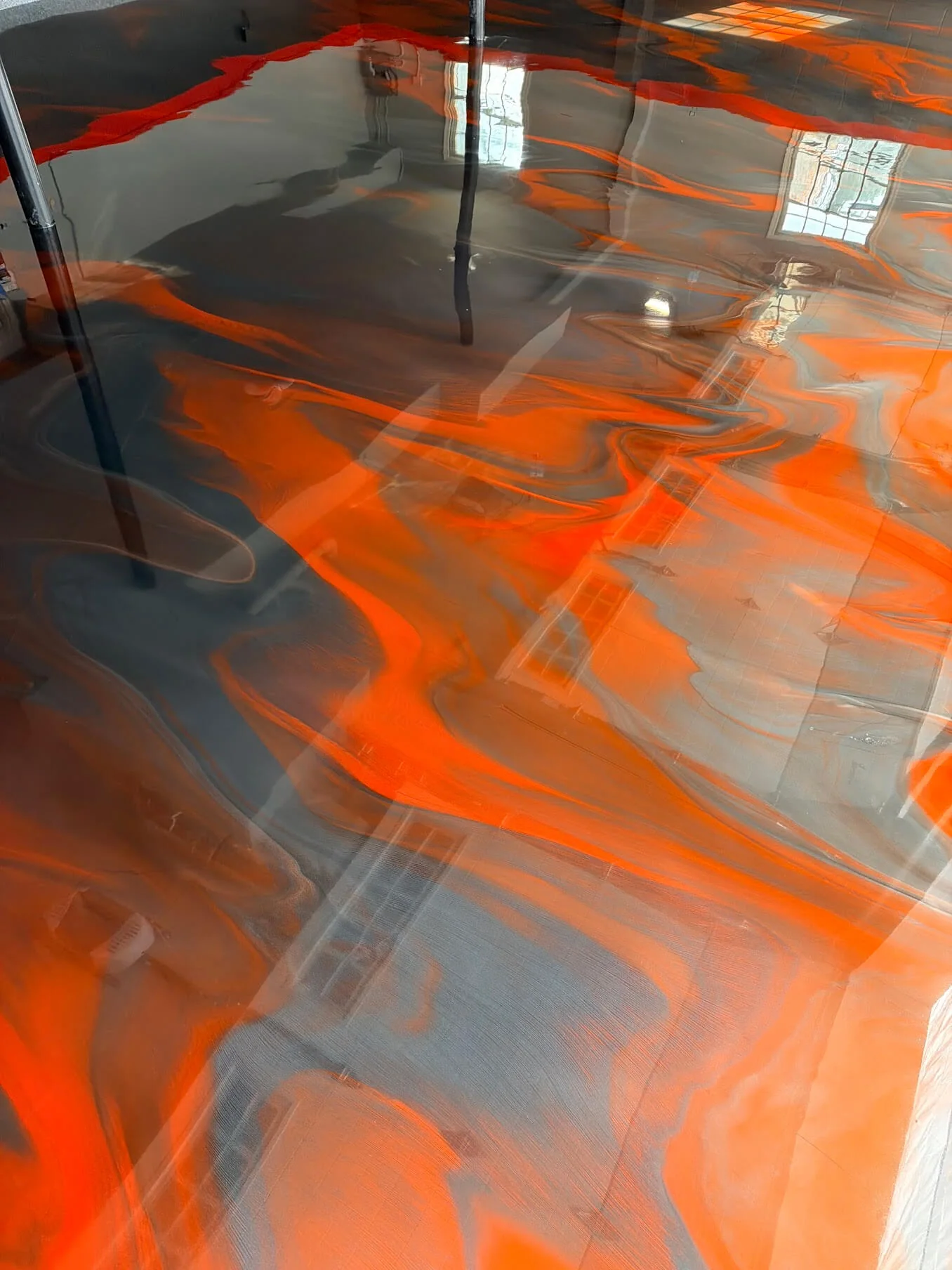
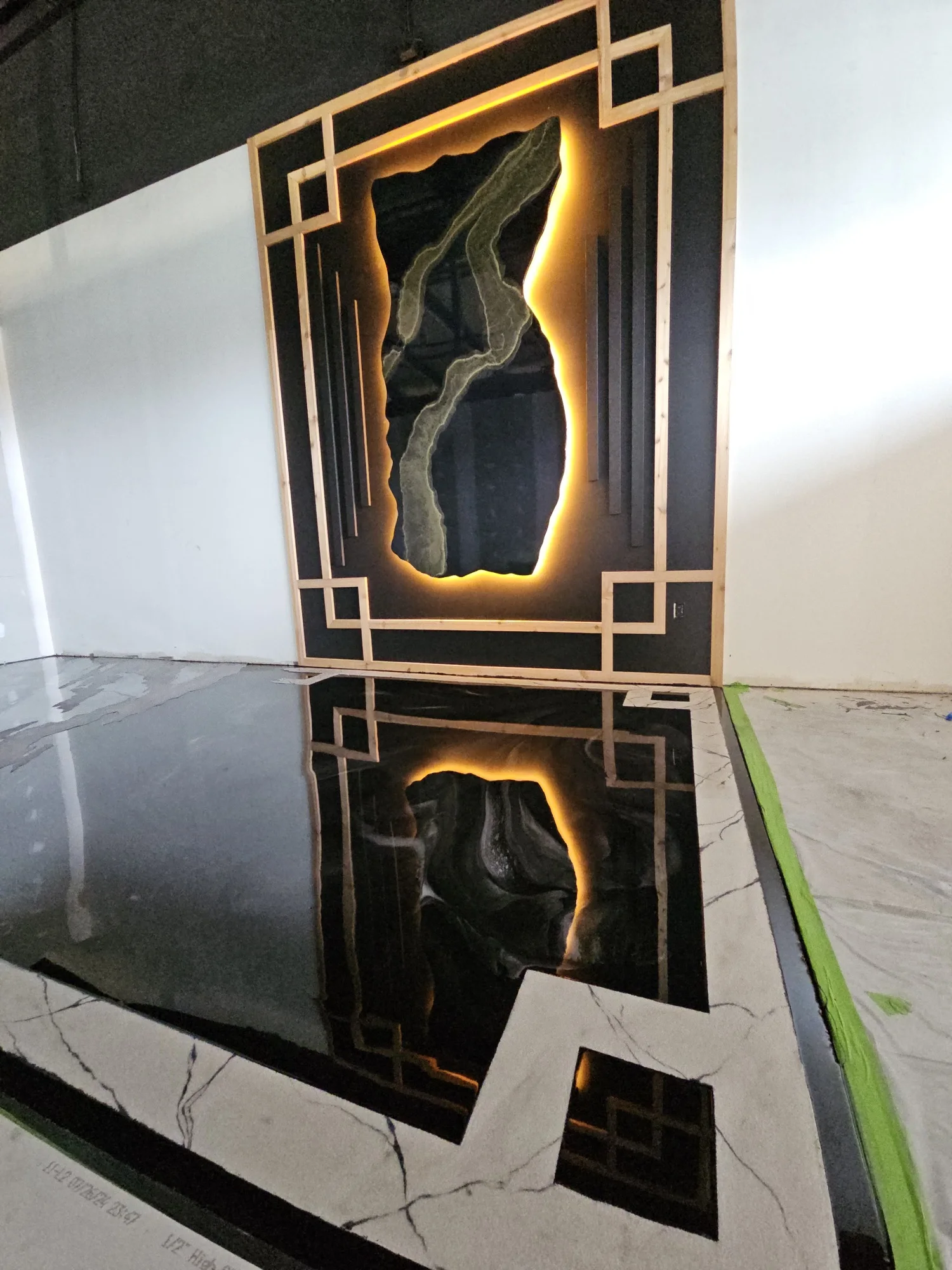
The short version of moisture-tolerant flooring systems
A moisture-tolerant flooring system is a resin build that includes a primer or base layer made for damp concrete. It is meant to hold on where moisture vapor coming up through the slab would push an ordinary coating off. The decorative or protective coats go on top of that base. Which product fits depends on how much moisture the slab is moving, and that comes from testing the facility or owner arranges. Danny chooses the system from those results and the product data.
If moisture is likely, he asks the owner to arrange a moisture test before anything is chosen.
It fits basements, slabs on grade in older buildings and floors with a history of coating failures. It has limits. Standing water, active leaks and flooding are drainage or waterproofing problems, and a floor coating will not solve them. Those go to a waterproofing contractor or plumber first. Danny looks at the space, the traffic and the spills like any other job, and here he also looks for signs of moisture: white powder, dark patches and old coating lifting in sheets.
Danny walks the slab and looks at where earlier coatings failed and what the concrete shows. If moisture is likely, he asks the owner to arrange a moisture test before anything is chosen. With results in hand, the system is picked from the product data. The slab is diamond ground to open it up, cracks and damaged areas are repaired, and the moisture-tolerant base goes down first. The finish coats follow, then the cure. At the final walk he explains what to watch for, including any new spots of lifting.
Moisture coming up through concrete will find its way under any coating that ignores it.
From bare slab to finished floor
A damp slab changes the first layer of any floor. Danny looks at the space, the traffic and the spills, and at what the concrete is doing underneath.
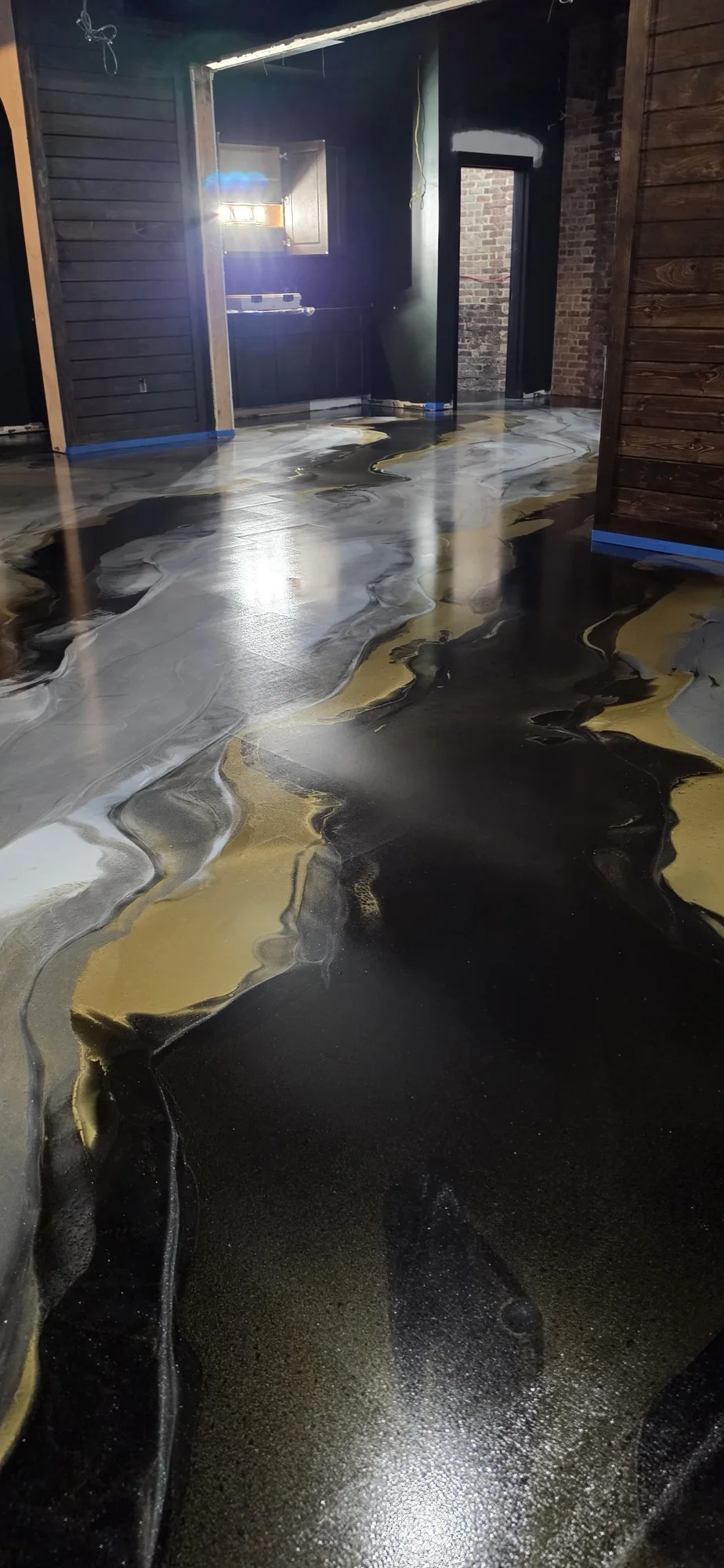

How the room gets used
Danny asks whether the space will stay storage or become a gym, a playroom or a workshop, and what will sit on the floor. Rugs, rubber mats and storage bins trap moisture against a coating, so the planned use shapes the system as much as the slab does.

Lining up the owner’s test
When the walk turns up signs of moisture, Danny asks the owner to book a third-party test before anything is chosen. The test runs while the room is under normal conditions, and the results come back to him for picking the base layer.

Removing every trace of old coating
Failed coating, paint and old sealers come off completely, along with any white mineral powder on the surface. The slab is ground open, and cracks and broken areas are repaired with materials the moisture-tolerant base can bond to.

Damp-ready base, then finish coats
The moisture-tolerant primer or base goes down first at the coverage the product data sets, and the finish coats follow once it is ready. The finish can be flake, solid or metallic, since the base layer handles the moisture.
Checking corners after wet weather
After the cure, Danny walks the floor with the owner and points out the corners and wall bases most likely to show trouble. Looking at those spots after the next wet season shows how the floor is handling the slab.
More of Danny’s floors
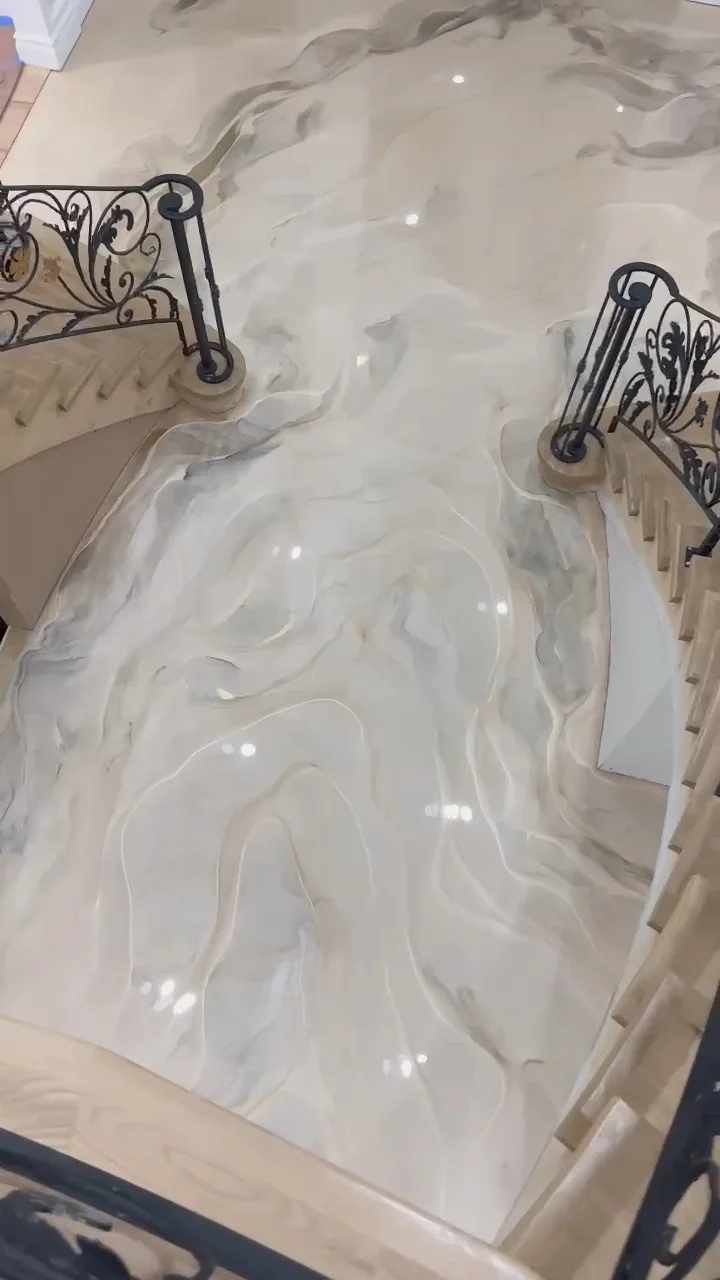
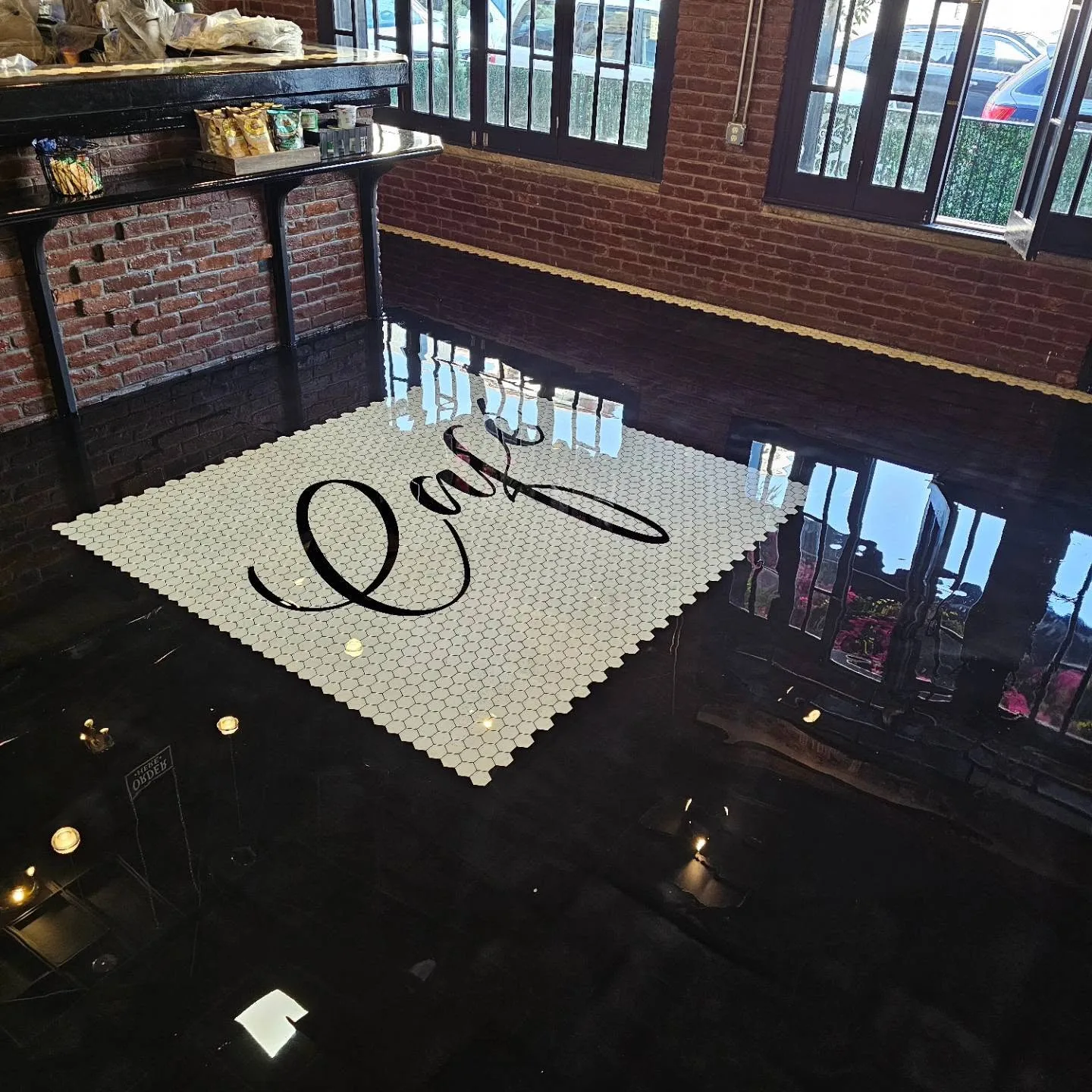
Other jobs from the file, not all of them this service. See the gallery





Questions about moisture-tolerant flooring systems
Why did my last basement floor coating peel?
Moisture vapor coming up through the slab is one of the common reasons, along with poor prep and contamination like oil or old sealers. A coating applied over damp concrete without a base made for it can lose its grip. Danny looks at the failed floor on the walk to see which it was.
Do you test for moisture?
No. The owner or facility arranges moisture testing with a third party, and the results come back to Danny before he recommends a system. He looks for signs of moisture on the walk, and a test gives the actual reading the product choice depends on.
Can any floor go in a damp basement?
Not every slab is a good candidate. Many damp basements can take a moisture-tolerant system with the right base layer. If the slab floods, has active leaks or tests beyond what the products can handle, the water problem has to be fixed first by a waterproofing contractor. Danny says plainly when a floor is not ready.
Can a finished basement gym go over a damp slab?
Often, with the right base layer under the finish coats. Rubber gym mats laid on top are the bigger question, because they trap moisture against the coating where it cannot escape. Lifting mats now and then, or choosing mats that let air move underneath, helps. Danny talks through the gym layout before recommending the system.
Does a dehumidifier help the new floor?
It helps the room, and a drier room is easier on any floor. A dehumidifier lowers the moisture in the air, though it does little about vapor rising through the concrete itself, which is the base layer’s job. Running one in a basement that feels damp is still a good habit. Danny mentions it at handoff.
Can a moisture-tolerant floor go over radiant heat in a slab?
A heated slab adds its own conditions, and the product data has to allow for them. The heat is usually turned down or off during the install and brought back gradually afterward, as the product maker directs. Grinding and any anchors near the tubes need care. Danny asks about radiant heat on the walk so it gets planned.
More from the performance section
Slip, chemical, impact, heat and static control. Danny looks at the space first and says what fits before anyone orders material.
- Chemical-Resistant Epoxy FlooringEpoxy floors matched to a facility’s own chemical list, with the resin and topcoat chosen from the product data for those spills.
- Acid-Resistant Floor SystemsFloor systems for battery rooms, cleaning stations and other spots where acid gets spilled, chosen from the product data for the acids involved.
- Oil-Resistant Floor CoatingsFloor coatings that keep motor oil, hydraulic fluid and cutting oils on the surface, with extra prep for oil already in the slab.
- High-Abrasion-Resistant FlooringResin floors chosen for wear in busy lanes, where carts, pallet jacks and tracked-in grit grind down ordinary coatings over time.
- Impact-Resistant Industrial FlooringHeavier resin floor builds for shops where tools, castings and steel get dropped, with repairs to the concrete underneath first.
He drives out from Cranford about 60 miles in every direction for floors like this one. See every areaSee the galleryRead: Basement Epoxy Floors and the Moisture Under the Slab
Danz Handz
Danny Carrero, epoxy specialist
dhepoxy@gmail.com
Cranford, NJ. Mon to Sat, 8 to 6. Hablamos español.
Book a walkthrough
Send a few lines about the room and the look you want. Danny will call and set up a time to see it.