
Fixing the floor at the dish pit
A sour smell at the dish station that mopping never fixes usually means water has gotten under the tile and stayed there. Lift a loose tile under the dish machine and you often find it. Danny takes that area down to sound concrete before he pours, so hot rinse water and dropped racks have nothing to get under.
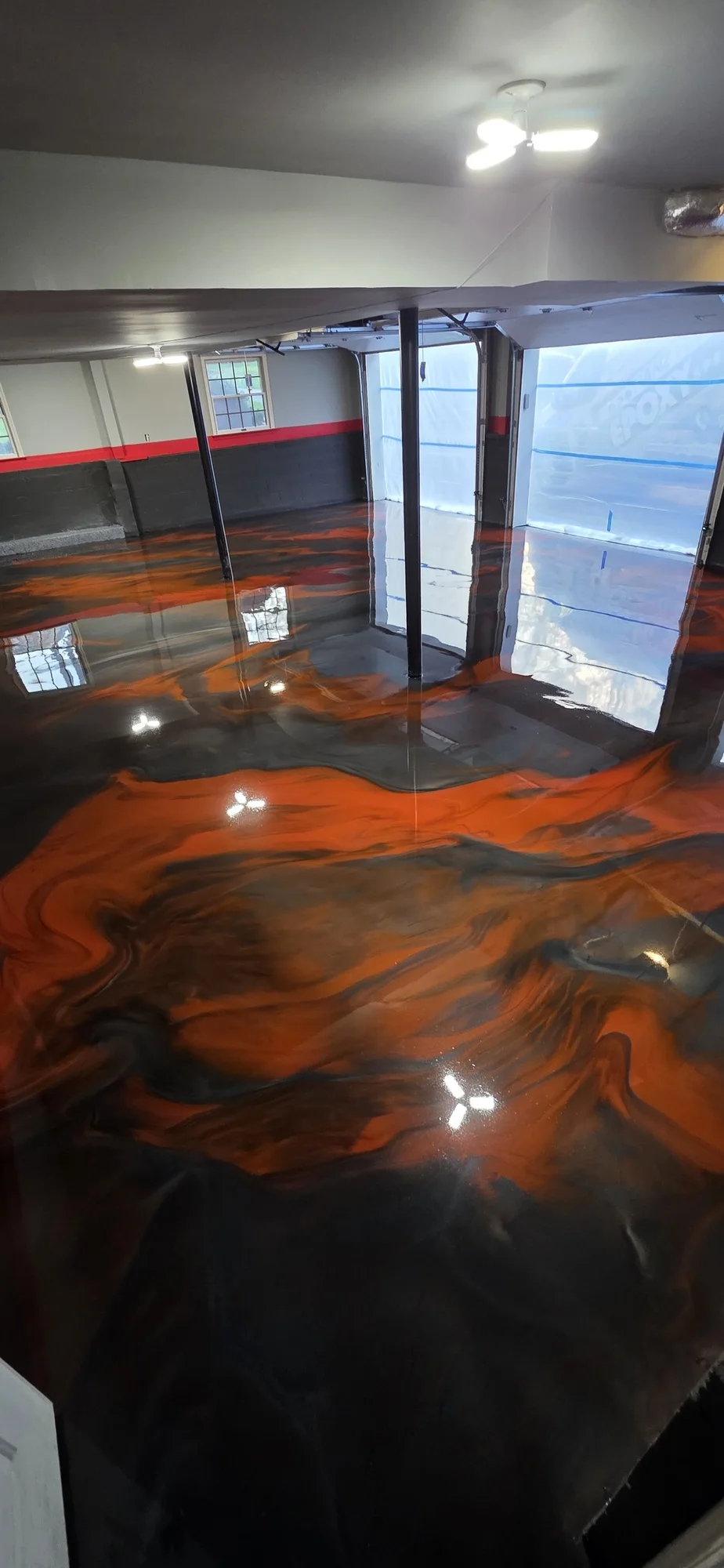
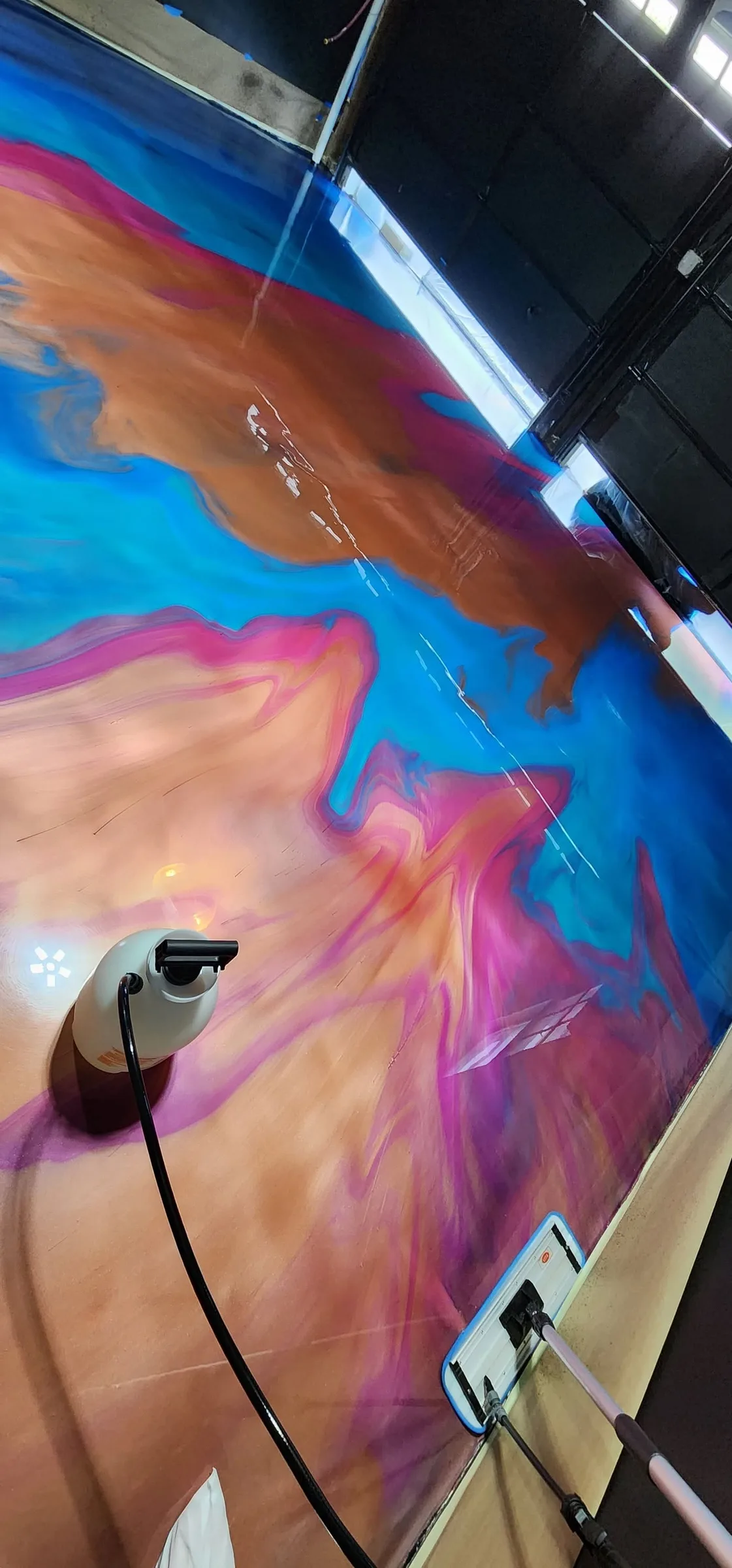
Commercial Dishwashing Area Flooring, start to finish
Dishwashing area flooring is a resin system poured over ground concrete where the dish machine, the sprayer and the pot sink sit. It is textured for wet feet, coved up the wall behind the machine, and sloped toward the drain once the slab is repaired. Because the area is small, it can often be done as its own job with a shorter closure than a full kitchen. Before recommending a system, Danny looks at the foot traffic around the machine, what lands on the floor and how hot the rinse water runs.
If the dish area is upstairs over wood, the floor needs a different approach, and Danny says so before planning.
It fits dish areas on a slab in restaurants, cafeterias and catering kitchens. The dish machine and its plumbing usually need to come out or be lifted, which means a plumber and sometimes an equipment tech. Floors where water has been getting under tile for years may hide soft or broken concrete that needs repair. If the dish area is upstairs over wood, the floor needs a different approach, and Danny says so before planning. Mats can still be used after the pour.
Danny looks at the dish area after a dinner service, when the water on the floor shows where it runs and where it sits. He taps the tile around the machine and the drain, checks the slope and looks at the wall base behind the pot sink. The machine is disconnected by the kitchen’s plumber, the old tile comes up and the slab gets diamond ground. Low spots are leveled so water reaches the drain, and the system is poured with its cove. Before the machine goes back, Danny walks the cured floor and checks that it sheds water toward the drain.
If one corner of a kitchen floor fails first, it is usually the one under the dish machine.
From bare slab to finished floor
The dish pit is small, wet and often the first kitchen floor to fail. The steps run from watching it after a rush to running a cycle on the new floor.
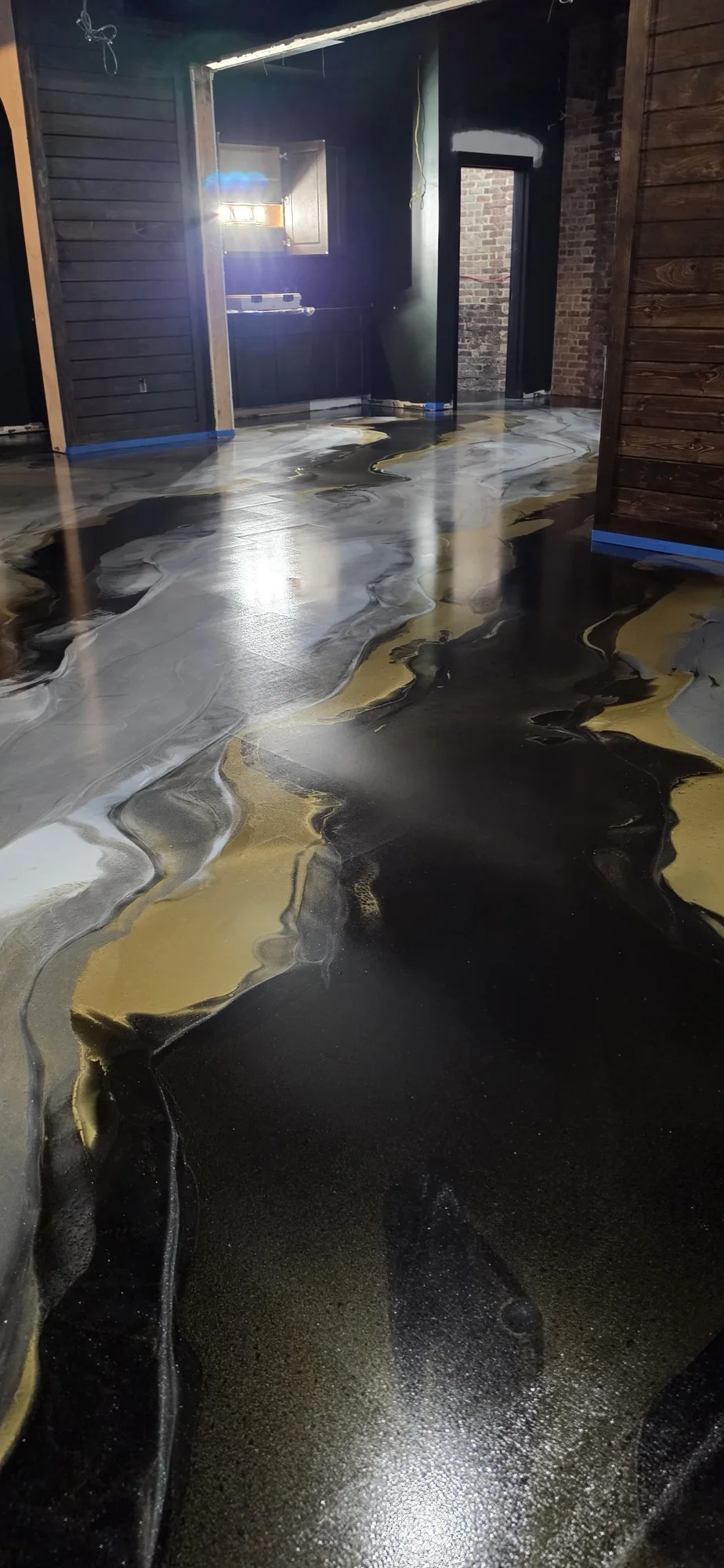

Watching water after the dinner rush
Danny comes in as the last racks go through, when the floor around the machine and the pot sink is at its wettest. He notes where water runs, where it pools and how far the wet zone spreads into the rest of the kitchen.

Disconnecting the dish machine
The kitchen’s plumber disconnects the machine, its booster and the pot sink drain, and the machine is lifted or rolled out of the way. Danny agrees the timing with the plumber so the machine is back and running before the kitchen reopens.

Opening up soft concrete
With the tile up, the slab under a dish area is often soft or broken from years of water. Those areas are cut out until solid concrete remains and are rebuilt, and the grinder takes the rest of the area back to a clean surface.

Building the fall to the drain
Low spots that held water are built up, and the floor is shaped so it falls toward the drain from every side. The textured system is poured across the area, and the cove is turned up the wall behind the machine and the pot sink.
Running a cycle on the new floor
After the cure, the plumber reconnects the machine and it runs a full cycle. Danny watches where the water goes and checks the cove and the edge where the new floor meets the old one, before the first service back.
More of Danny’s floors
Other jobs from the file, not all of them this service. See the gallery








Questions about commercial dishwashing area flooring
Can just the dish area be done?
Yes. The dish area is often the first part of a kitchen floor to fail, and it can be done as its own job with a shorter closure than a whole kitchen. The new floor gets finished cleanly where it meets the existing floor. Danny looks at where the failing section ends and plans the edge of the new floor during his walk.
Why does our dish area smell even after cleaning?
Water and food scraps that get under broken tile or into open grout sit there and sour, and mopping cannot reach them. Until that tile comes out, the smell usually stays. Removing it, repairing the slab and pouring a continuous floor with a cove takes away the hiding places. Danny can tell during his walk whether the tile is hollow underneath.
Does the dish machine have to come out?
Usually, yes, so the floor runs continuous under it and up the wall behind it. Some machines can be lifted or shifted without being fully removed. Your plumber or equipment tech handles the disconnect and reset. Danny coordinates the timing with them so the kitchen is down for as short a stretch as the job allows.
Does the grease interceptor lid get coated around?
If the interceptor sits in the floor, its frame and lid stay accessible, and the coating is finished tight to the frame. The lid itself is left uncoated so it can still be lifted for cleaning and pumping. Damaged concrete around the frame is repaired first, since that edge takes a lot of water.
Should the wall behind the dish machine be redone too?
Often it should. The wall behind the machine and the pot sink takes steam and splashes, and wall panels there can swell or come loose at the bottom. A cove ties best into a solid wall base. If the wall needs work, it is easiest to do before the floor, by whoever handles the walls.
Will dropped racks and silverware chip the floor?
A textured resin floor handles everyday drops from racks, cups and silverware well. A heavy pot or a full rack dropped on an edge can still mark it, as it would mark tile. Rubber mats in the spot where racks are loaded and unloaded take most of those hits and can be lifted to clean.
More from the kitchens section
Commercial kitchens, bakeries, breweries and cold rooms, with coved bases and slip-resistant finishes.
- Drain-Area Floor Coating SystemsRepair and coating around floor drains and trench drains, with slopes corrected and the new floor tied tightly to each drain.
- Urethane Cement Kitchen FlooringThick urethane cement floors for the hottest, wettest zones of a commercial kitchen, chosen for hot water, steam and grease.
- Sanitary Facility Floor ResurfacingResurfacing for failing floors in washdown and sanitation rooms: old coating ground off, the cause found and a new system poured.
- Commercial Restaurant Floor CoatingRestaurant floors planned front and back together: a decorative finish for the dining room and a working system for the kitchen.
- Restaurant Kitchen Resin FlooringBack-of-house resin floors that run under the cook line and up the wall, replacing tile that has cracked or gone black.
Jobs run about 60 miles out from the Cranford shop, from the Jersey shore and the Poconos to Long Island and Fairfield County. See every areaSee the gallery
Danz Handz
Danny Carrero, epoxy specialist
dhepoxy@gmail.com
Cranford, NJ. Mon to Sat, 8 to 6. Hablamos español.
Start with a visit
Send a few lines about the room and the look you want. Danny will call and set up a time to see it.