
A coated concrete floor for the rooms you live in
Pull up the old carpet or tired tile in some houses and there is bare concrete underneath. Turning that slab into a finished floor for a den or a converted garage room starts with what the old flooring left behind, glue, patches and all, and ends with a surface that looks like it belongs in the house.
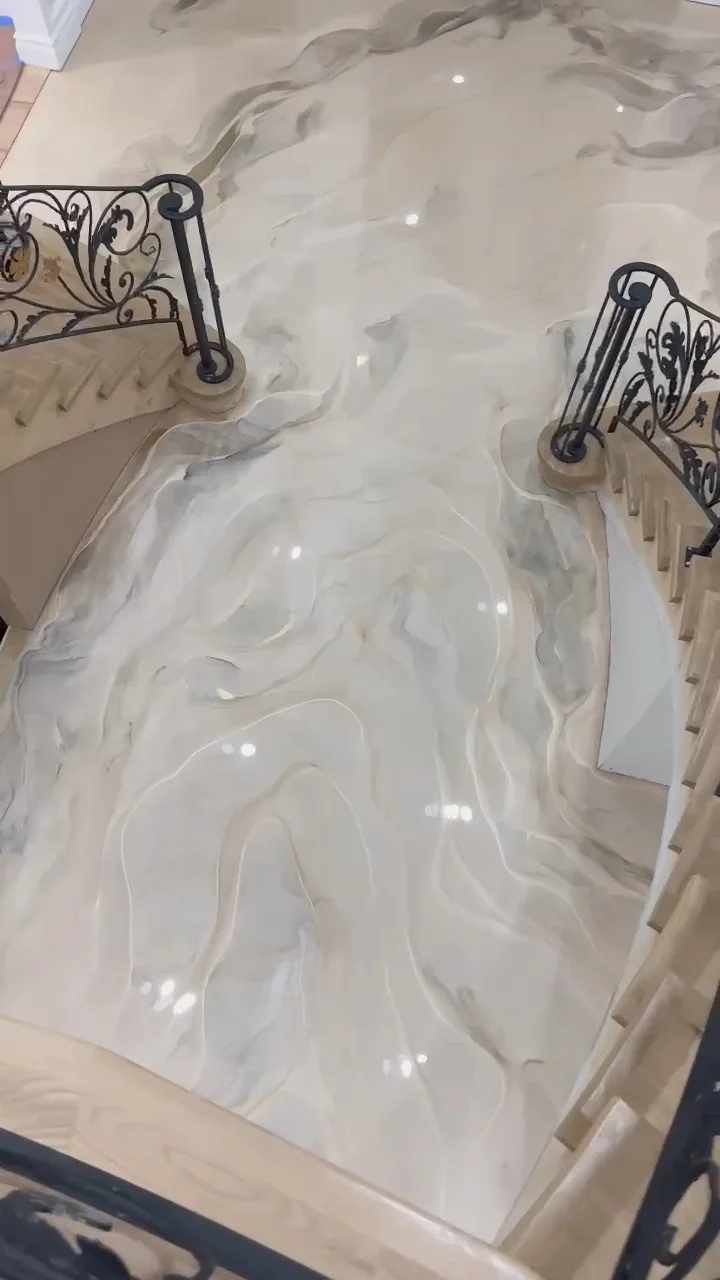
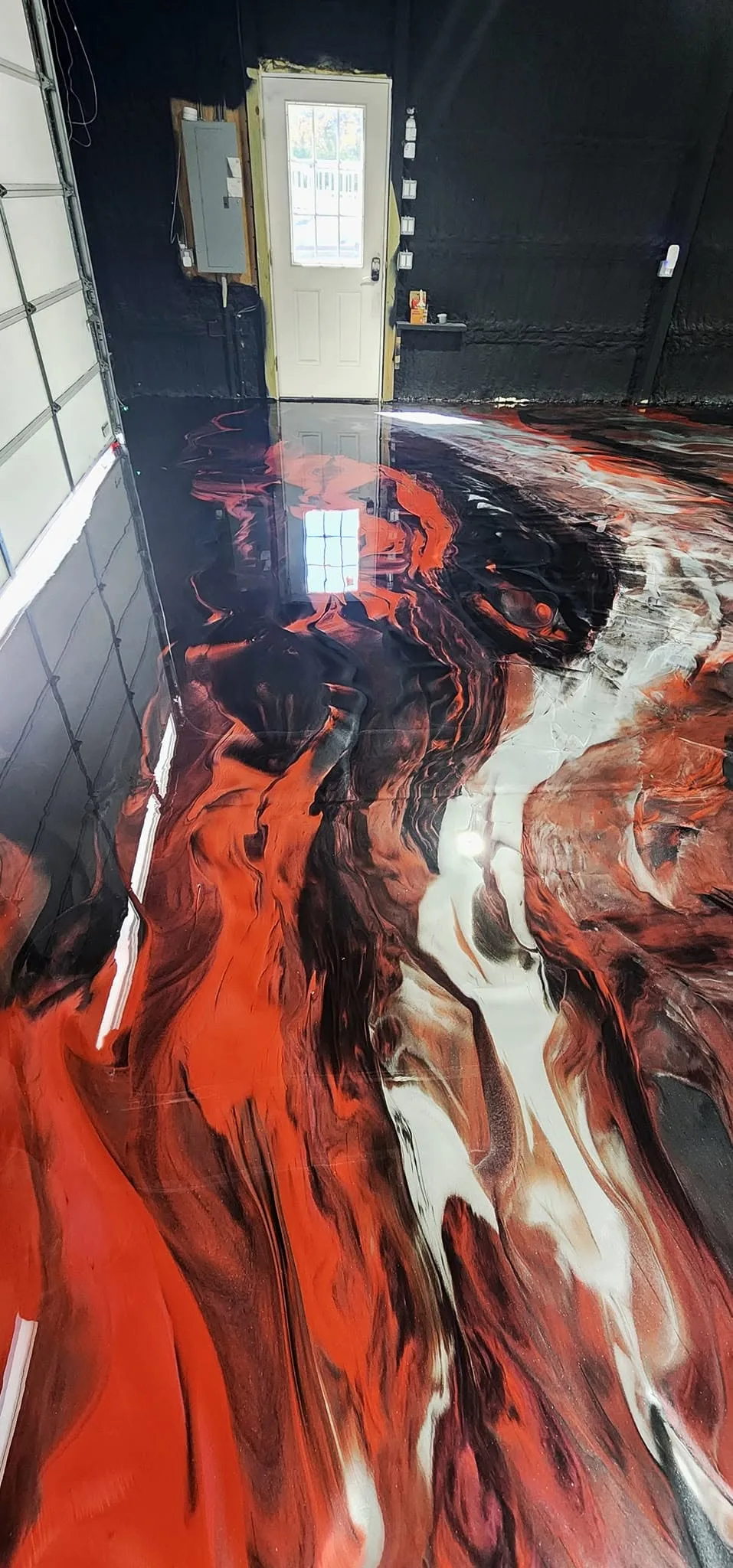
Indoor Concrete Floor Coating, from Danny’s side of the job
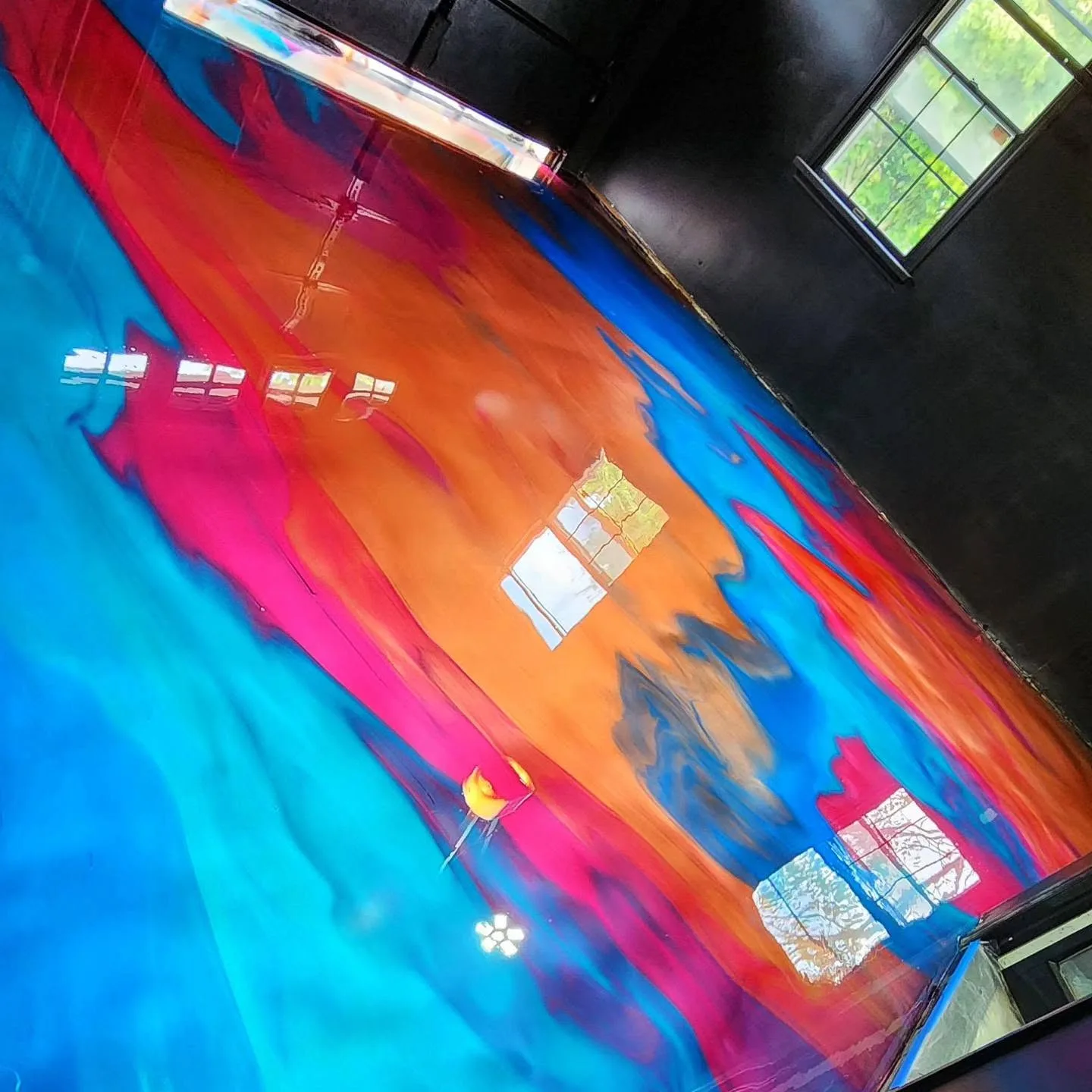
An indoor coating is a resin system bonded directly to the slab. Danny grinds the concrete open so the first coat can soak in and grab, fills what needs filling, then builds the floor in layers. The finish can be a solid color, a scattered flake or one of his metallic pours, depending on the room. Inside a home, the decision usually comes down to how the floor should feel underfoot and how it sits next to the cabinets and trim already in the room.
If the plan is carpet in two years, a coating is the wrong move, and Danny will say so.
It fits best on a slab that is dry and is going to stay the finished floor. Rooms with radiant heat in the slab, or a floor that sweats in summer, need a closer look before anything goes down. A coating will show what is under it, so a slab with deep dips gets leveled first or the dips show through. New concrete also has to finish drying out before it can be coated. If the plan is carpet in two years, a coating is the wrong move, and Danny will say so.
Inside an occupied house, Danny plans the job around the people living in it. He walks the room first and checks the slab for moisture and old adhesive. Grinding inside a lived-in house means planning for dust, so the room gets closed off before the carpet glue and thinset come up. Cracks and low spots get filled and ground flat. Then the coats go down in order, with the door shut and the room off limits while it cures. At the end he walks it with you before the furniture comes back.
Bare concrete under old carpet can become the finished floor.
From bare slab to finished floor
Inside the house, the job starts with whatever the last floor left on the slab and ends with a coating that sits right beside the trim, the stairs and the next room over.


Lift a corner of the old floor
Before anything is booked, Danny looks under a corner of the carpet or tile to see what is stuck to the slab. Tack strip, glue, thinset and old paint each come off differently, and knowing which one is there sets how many days the room stays closed.

Seal the room off from the house
Plastic goes up over doorways and return vents so grinding dust stays in the room being worked on. Danny strips the adhesive and the weak top skin of the slab together, then vacuums the floor until the bare concrete is clean enough to take primer.

Flatten the dips old flooring hid
Carpet pad and tile hide low spots that a coating would show in raking light. Those get filled, along with cracks and the holes left by tack strip nails, and everything is ground flush so the finished floor reads flat from the couch.
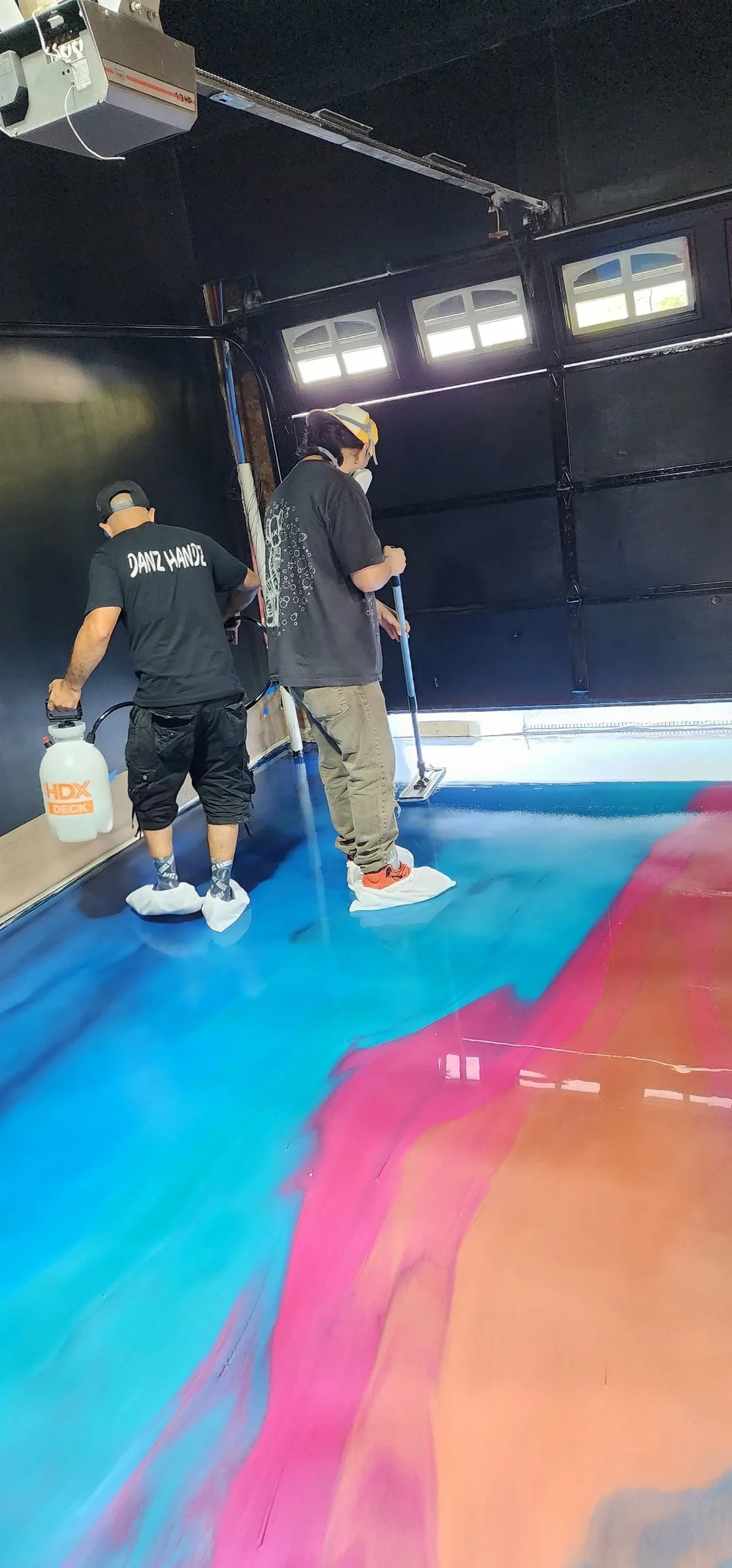
Build the finish to suit the room
Primer soaks into the opened slab first. The color layer follows, a calm solid, a light flake or a metallic pour depending on the room, and a clear top sets the sheen. Coats run all the way to the walls so the baseboards can go back on tight.
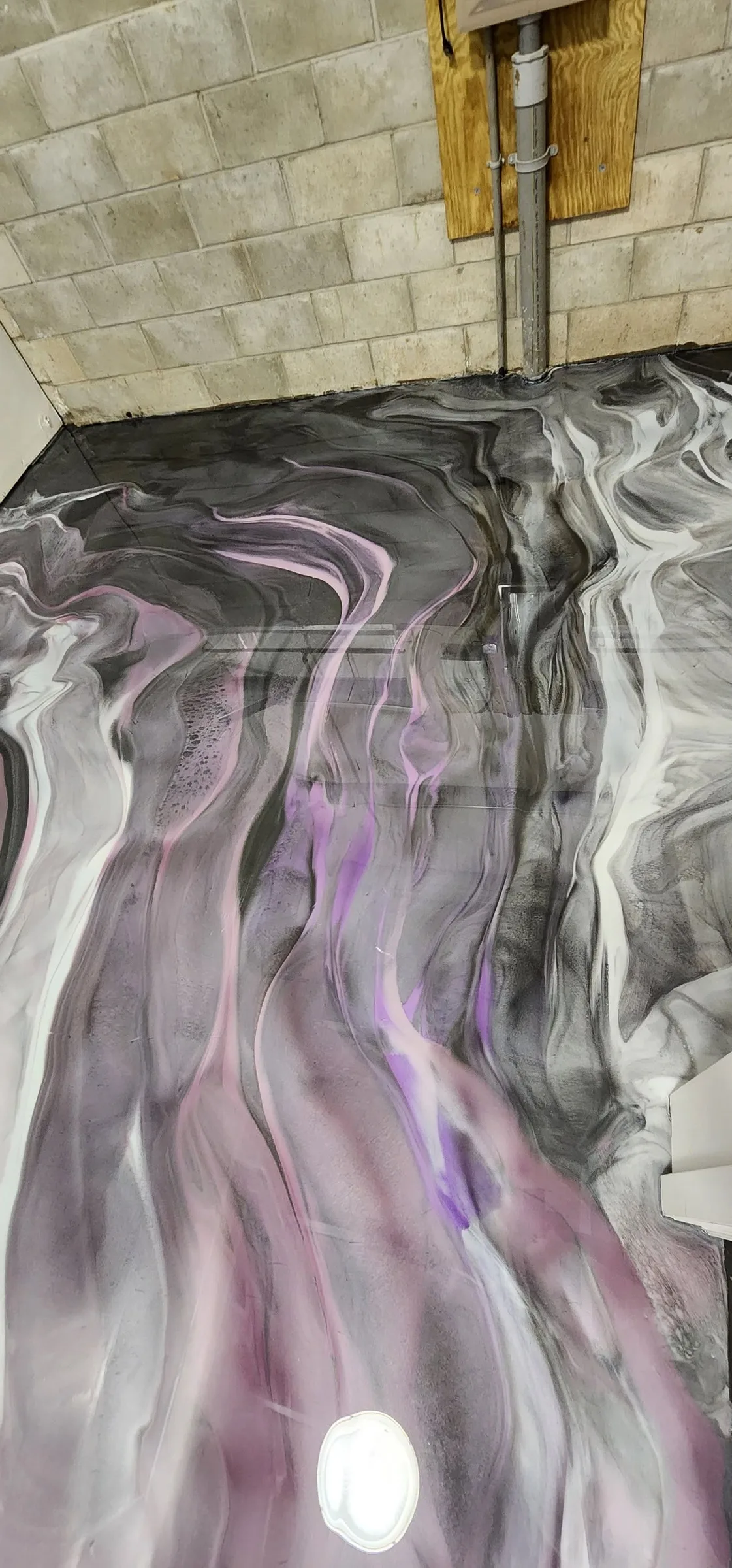
Let it set behind a closed door
The room stays shut while the resin cures, with the house heat held steady so the cure stays on track. Once it is ready, Danny walks the floor with the owner, checks the edge at each doorway and says when the furniture can come back in.
More of Danny’s floors
Other jobs from the file, not all of them this service. See the gallery







Questions about indoor concrete floor coating
Can you coat a concrete floor that had carpet glued to it?
Usually, yes. The glue has to come off completely, because a coating will not bond to adhesive. Danny grinds it away along with the top skin of the concrete, which also opens the surface for the primer. If the glue has soaked deep or the slab underneath is damaged, he will show you what he found before going further.
Will an epoxy floor feel cold in a living space?
Concrete holds the temperature of the ground under it, and a coating does not change that much. What changes is the surface, which becomes smooth and easy to keep clean. Rugs and slippers do the rest. If the floor already feels damp or clammy, that is a moisture question to sort out before any coating goes down.
How long does the room stay out of use?
It depends on the system and the temperature in the house. Danny gives you a schedule for walking on it, for bringing furniture back and for heavy items, based on the product going down. Most of the waiting is cure time, and rushing it is an easy way to mark a good floor early.
Can the coating carry from one room into the next without a seam at the doorway?
Yes, if both rooms sit on the same slab. Danny can run the coating straight through the opening so there is no threshold strip. Where the slab changes, such as an older addition or a step down, he plans a clean stop line or a transition piece and shows you where it will land before the work is scheduled.
What happens to the baseboards and door casings?
Baseboards usually come off before grinding so the coating can run to the wall, and they go back on after the cure. Door casings stay, and Danny hand-grinds and coats tight to them. Expect some caulk and a little touch-up paint on the trim afterward, which most homeowners handle themselves or hand to their painter.
Does a coated slab feel hard to stand on all day?
It is concrete underneath, so it stands about like tile or polished stone. The coating adds no cushion. People who spend long hours in a kitchen or a craft room often keep a comfort mat where they stand. Area rugs sit fine on a cured coating, and Danny can suggest rug pads that will not mark the topcoat.
More from the residential section
Garages, basements, laundry rooms, mudrooms, home gyms and porches, each floor laid out for how the room gets used.
- Laundry Room Epoxy FlooringLaundry room floors coated to hold washer leaks and spills on the surface, with an optional cove up the wall to protect drywall.
- Mudroom Epoxy FlooringMudroom floors with a flake blend and textured topcoat that take wet boots, road salt and muddy paws, then wipe clean.
- Utility Room Epoxy FlooringUtility room floors coated around the furnace, boiler and water heater in a light color that shows a new drip right away.
- Home Gym Epoxy FlooringEpoxy home gym floors with textured topcoats for cardio, machines and stretching, with mats planned where the heavy weights come down.
- Home Gym Rubber and Resin Flooring SolutionsHome gym floors that pair rubber in the lifting zone with a coated resin floor everywhere else, planned as one room.
From Union County out to the Lehigh Valley, Long Island and Fairfield County, the work is all within about 60 miles of Cranford. See every areaSee the gallery
Danz Handz
Danny Carrero, epoxy specialist
dhepoxy@gmail.com
Cranford, NJ. Mon to Sat, 8 to 6. Hablamos español.
Start with a visit
Send a few lines about the room and the look you want. Danny will call and set up a time to see it.