
Resurfacing worn industrial concrete back to a usable floor
A slab worn down to the stone and patched over and over is past what a thin coating can fix, since it would copy every pit underneath. Resurfacing builds the floor back up to a smooth, even surface first, and Danny decides how much of the slab needs it after he has walked the whole floor and sounded out the patches.
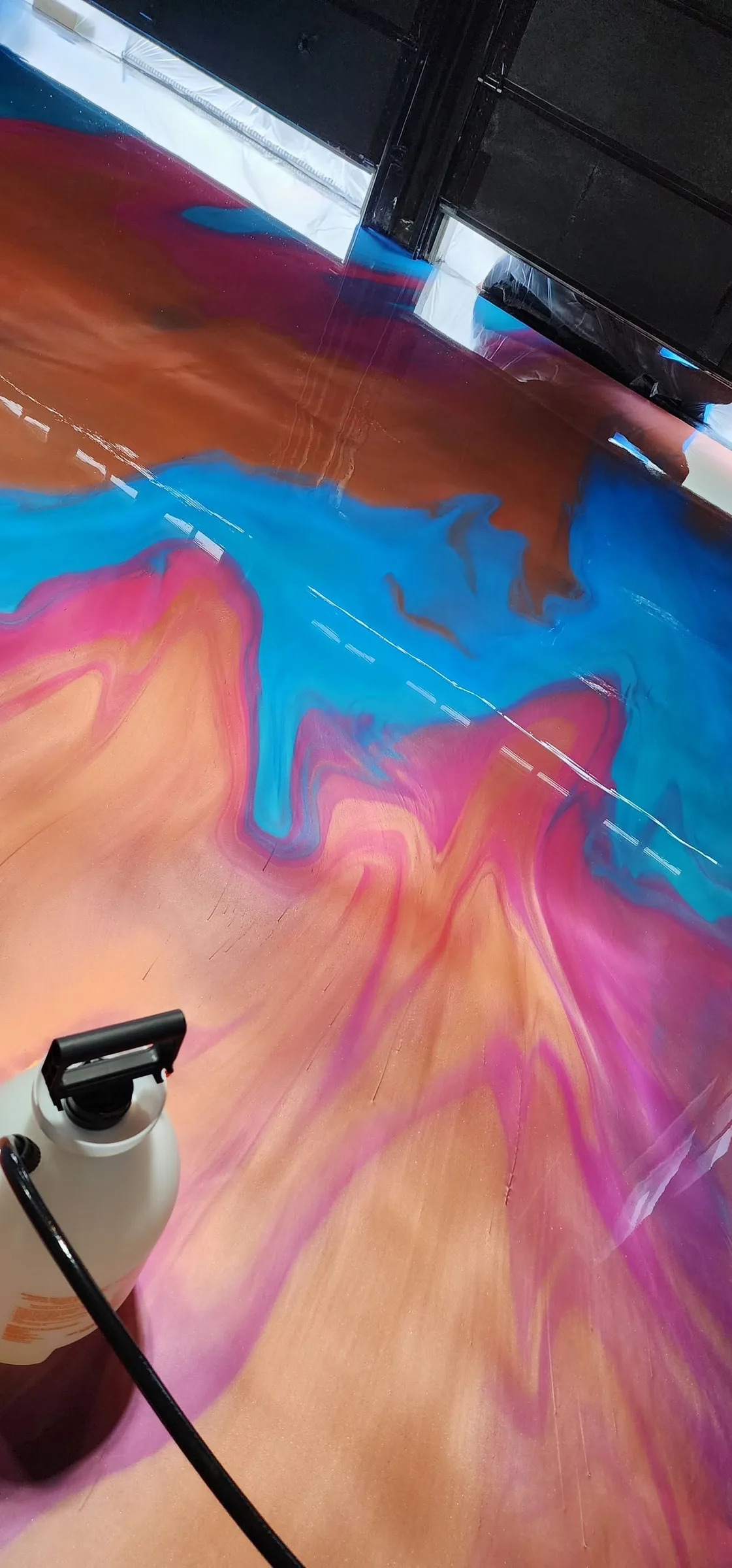
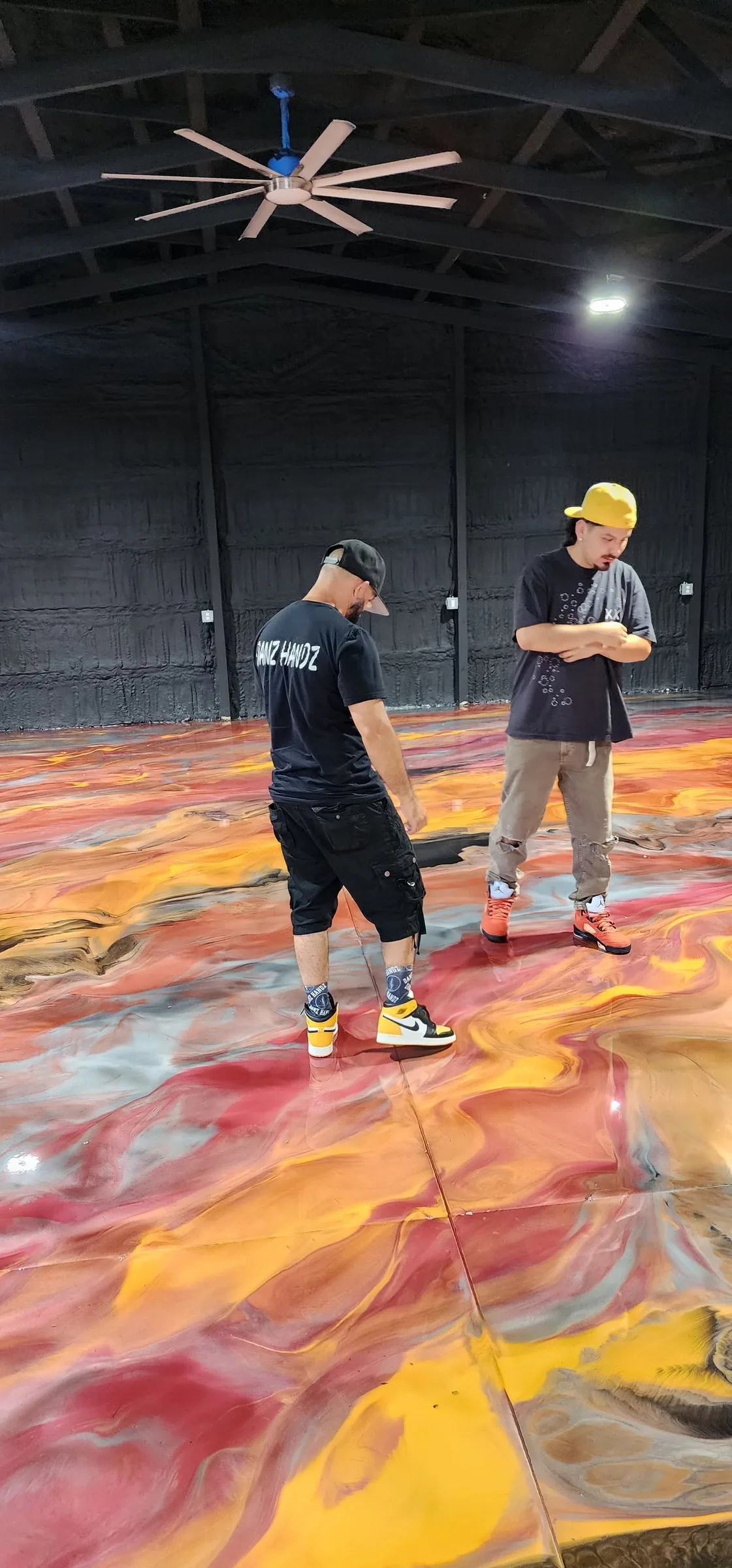
What industrial floor resurfacing really involves
Resurfacing rebuilds the top of a worn slab with a resin or cementitious overlay that fills the damage and creates a new, even surface. It is heavier than a standard coating and is chosen when the concrete itself has worn away. Once resurfaced, the floor can be left as is or topped with a coating system. Danny assesses the floor, the equipment that crosses it and the fluids that hit it before recommending a resurfacing material, and the choice follows those requirements and the product data.
Danny checks for moisture and asks what traffic and fluids the floor sees.
Resurfacing fixes surface damage. A slab that is cracked through, sinking, heaving or failing structurally is a different problem, and it needs an engineer or concrete replacement. A resurfacer also follows the overall slope and flatness of the floor, so it is the wrong answer for a floor that needs to be releveled. Moisture coming up from below can push off a resurfacer the same as a coating. Danny will say when the damage goes deeper than the surface he can rebuild.
Mapping the damage comes first: where the surface is scaled or pitted, where old patches have failed, and which cracks are only surface deep and which go through. Danny checks for moisture and asks what traffic and fluids the floor sees. The slab is diamond ground to sound concrete, failed patches are cut out, and the resurfacing material is placed and finished level with the rest. If a coating goes on top, it is poured once the resurfacer is ready for it. A final walk checks the transitions and edges with the facility manager.
When the concrete itself has worn away, a thin coating only outlines the damage.
How the work runs
Resurfacing rebuilds what traffic has worn away. These stages separate surface wear from deeper trouble, then build a new top that ties in at every edge.


Sounding the slab with a hammer
Danny taps across the floor, listening for hollow spots where old patches or the top layer have let go. Each hollow area is chalked out, along with scaled and pitted zones, to show how much of the floor needs rebuilding.

Separating wear from structural cracks
Cracks are checked for movement and for whether they run through the slab. Surface wear goes on the resurfacing plan. Anything that points to settling or a structural problem is called out for an engineer before resurfacing goes further.

Profiling for the overlay
The slab is ground or blasted to a rough, open profile so the resurfacer can lock in. Hollow patches are cut out, edges at doors and drains are cut square, and the surface is cleaned of dust before placement.
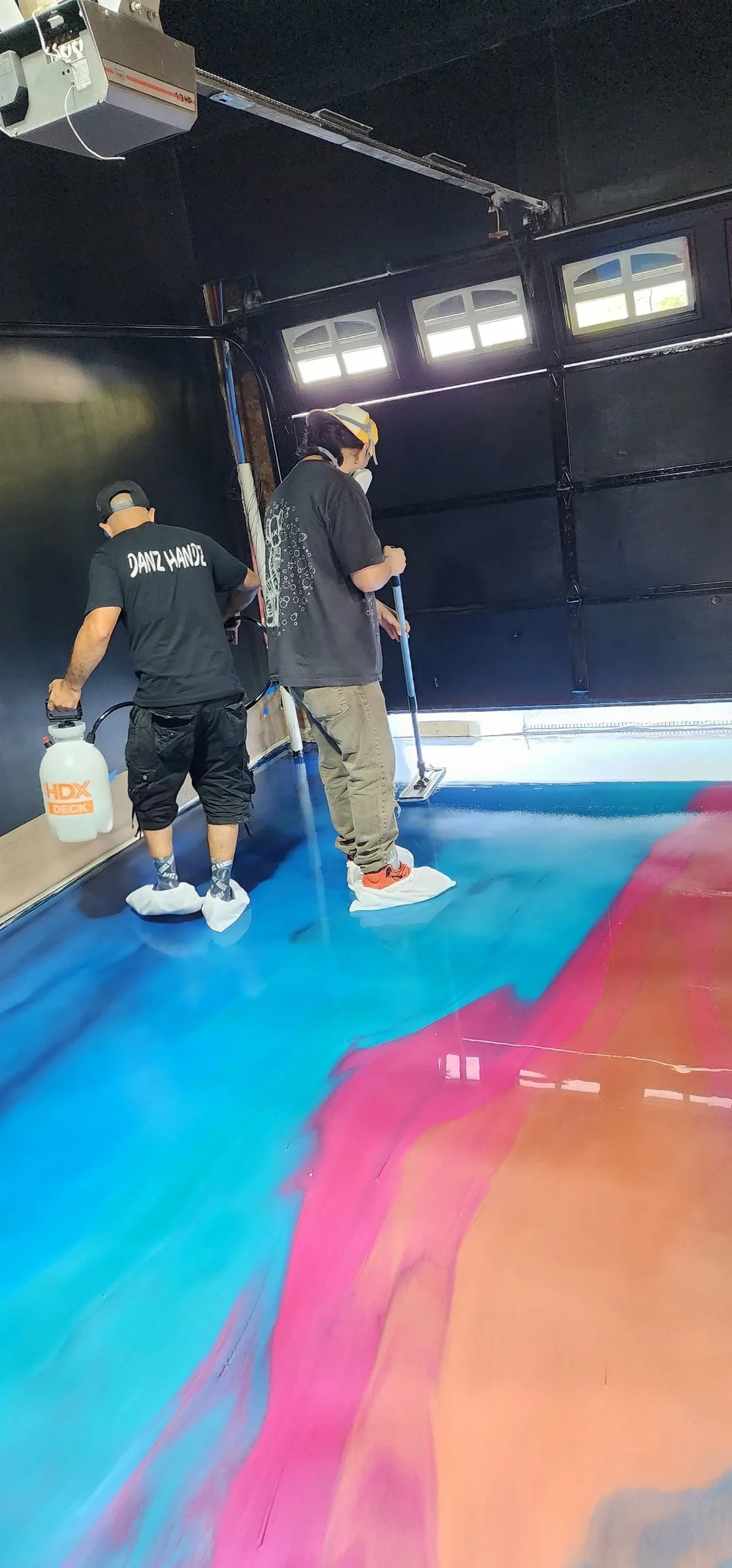
Placing and finishing the overlay
The resurfacing material is placed and finished level across the area, filling the pits and worn lanes. It is tied into door thresholds and drains so the new surface meets them flush and nothing catches a wheel.

Leaving it bare or adding a coating
Once the overlay is ready, Danny and the facility manager decide whether it goes back into service as is or gets a coating on top. That depends on the traffic and the spills, and the choice is checked against the product data.
More of Danny’s floors
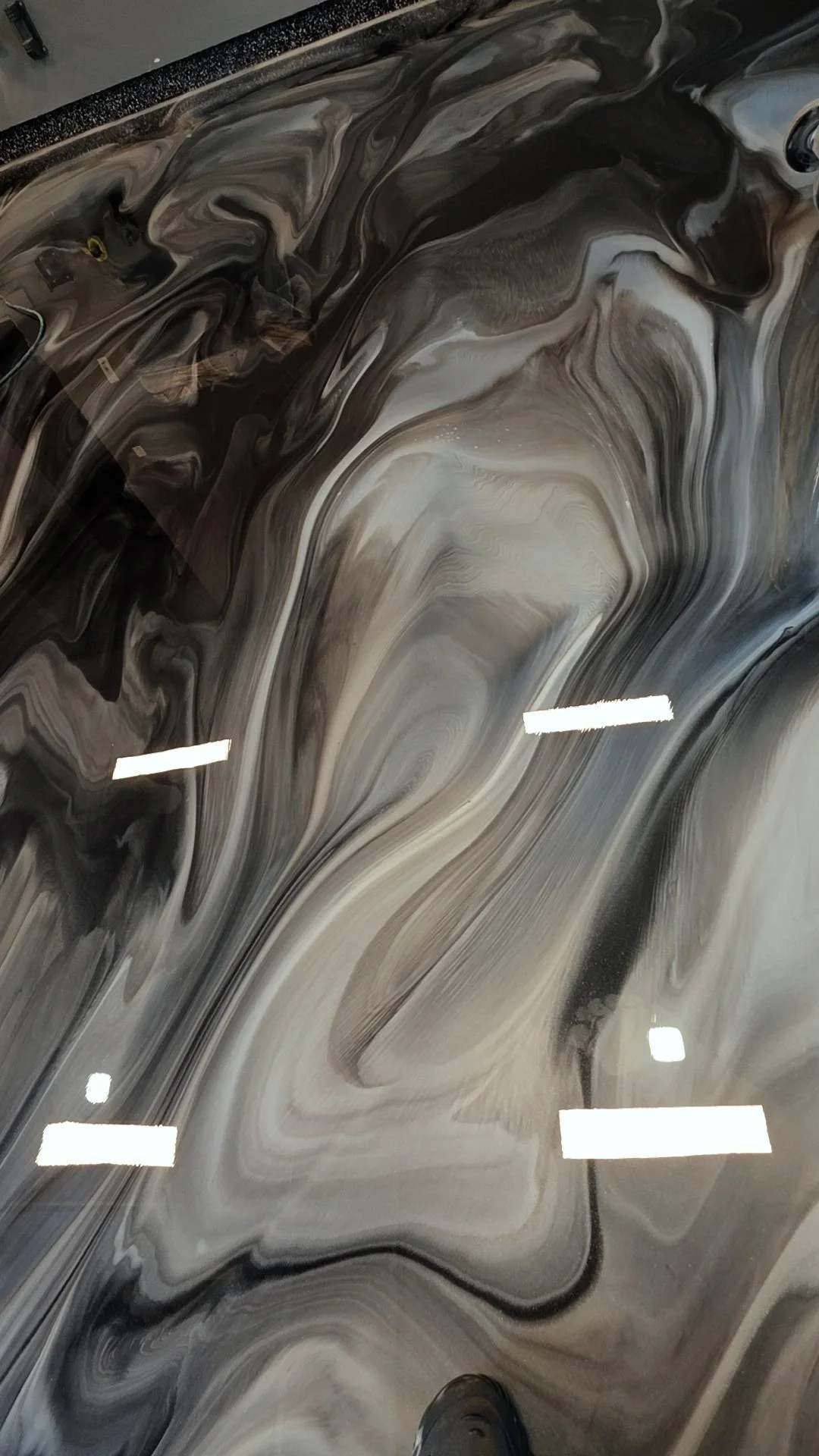
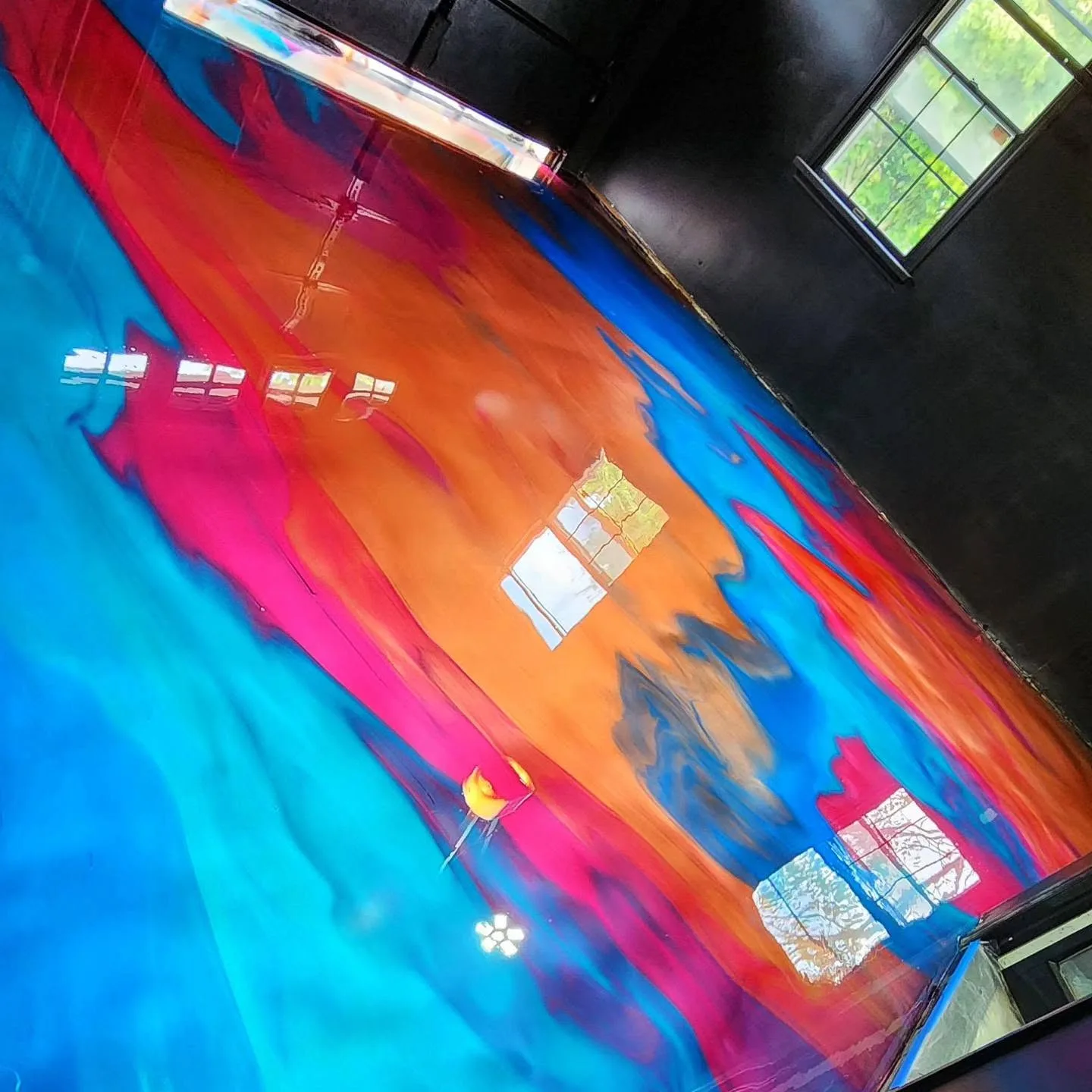
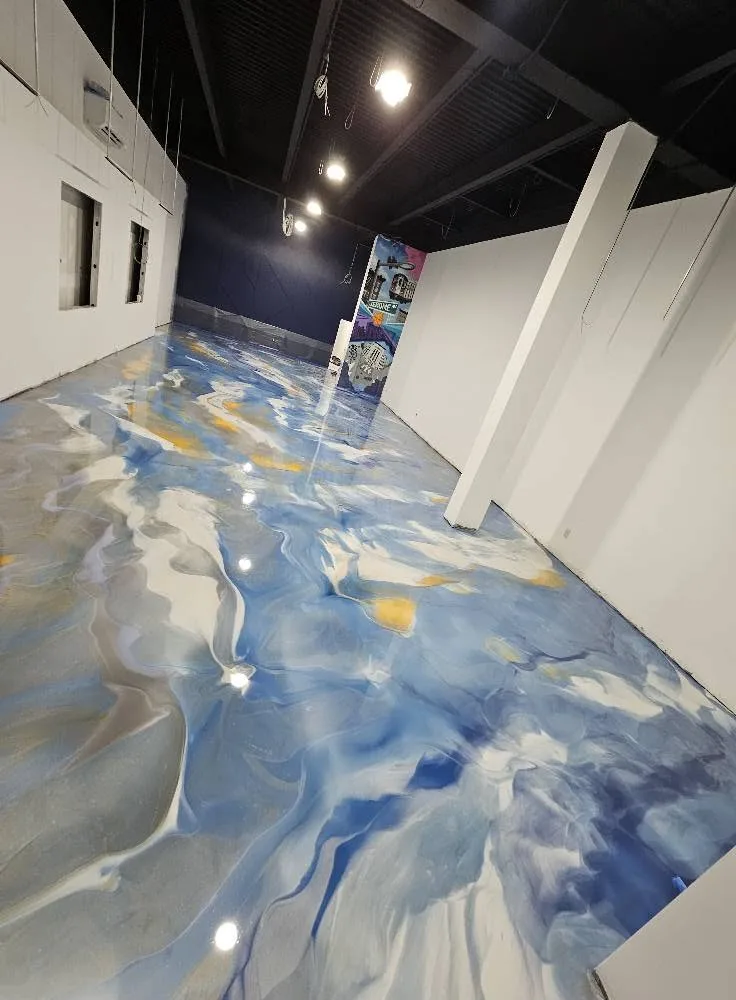
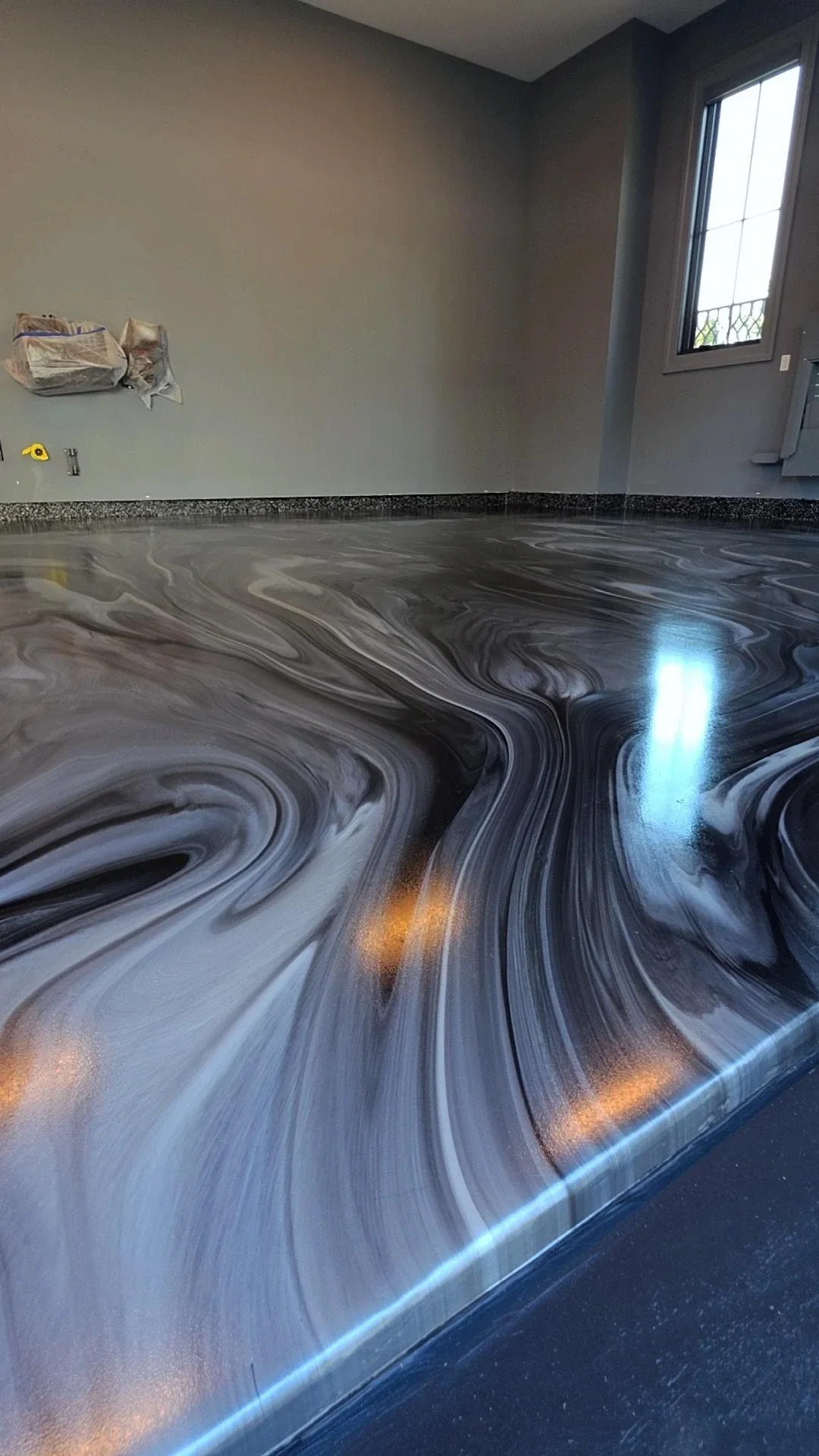
Other jobs from the file, not all of them this service. See the gallery



Questions about industrial floor resurfacing
What is the difference between resurfacing and coating?
A coating is a thin layer that protects and finishes sound concrete. Resurfacing is a heavier overlay that rebuilds a surface that has worn or broken down. On badly worn floors, resurfacing usually comes first and a coating goes on top. Danny looks at how much of the original surface is left before recommending either.
Can resurfacing fix a floor that is sinking or cracked through?
No. Resurfacing repairs damage at the surface. A slab that is settling, heaving or cracked all the way through has a problem underneath, and that needs an engineer or concrete replacement. Danny will tell you if he sees signs of that during his walk-through, before anything gets covered over.
Will the resurfaced floor match the rest of the building?
Resurfacing creates a new, even surface, but its color will not match old concrete next to it. Most owners top it with a coating so the whole floor looks consistent, or they resurface and coat an entire area to a natural break. Danny plans where the edges fall so the transition looks deliberate.
How much of the floor needs resurfacing?
Only the areas that have actually lost their surface, which the sounding and the walk reveal. Often that is the main lanes and a few damaged zones, while the rest of the slab is sound enough for a coating alone. Danny marks the boundaries so you can see what gets rebuilt and why.
Will resurfacing change the floor height at doors?
It adds some height, so the edges at doors, drains and dock plates are cut and tapered to meet them flush. Where a door or plate cannot change, the surrounding slab is ground so the new surface lands level. Danny checks each of those transitions on the walk before any material is ordered.
Can resurfacing be done in sections?
Yes. Large floors are resurfaced in areas with planned edges, often along joints or column lines so each seam falls where a break is natural. Traffic moves around the section being worked. Danny lays out the sections with the facility manager based on what has to stay open.
Next to this on the list
Warehouses, plants, loading docks and machine shops, with safety striping and aisle marking when the space needs it.
- Forklift Traffic Floor CoatingsForklift traffic coatings built heavier at turning spots and joints, chosen for the trucks, routes and fluids in your building.
- Heavy-Traffic Concrete CoatingsHeavy-traffic concrete coatings with extra build in the lanes, doorways and turning spots where the traffic in your building actually concentrates.
- Industrial Floor RepairIndustrial concrete repair for spalled joints, potholes, failed patches and cracks, done on its own or ahead of a new coating.
- Chemical-Resistant Industrial FlooringIndustrial flooring systems selected against your actual chemical list and the product data, with honest answers about what each system handles.
- Abrasion-Resistant Warehouse CoatingsAbrasion-resistant warehouse coatings with aggregate and tougher topcoats where pallets slide, skids drag and grit grinds the floor.
He drives out from Cranford about 60 miles in every direction for floors like this one. See every areaSee the gallery
Danz Handz
Danny Carrero, epoxy specialist
dhepoxy@gmail.com
Cranford, NJ. Mon to Sat, 8 to 6. Hablamos español.
Tell Danny about the floor
A short note about the space is enough. Danny calls back and books a walkthrough.