
Floor maintenance booked around a business calendar
Closing a gym or a restaurant every time the floor needs attention is not workable. Scheduled maintenance puts each visit on the slow days and planned closures the business already has, so chips and worn lanes get handled without surprise shutdowns. Danny sets the calendar with the manager after seeing how the floor wears.
What goes into scheduled commercial floor maintenance
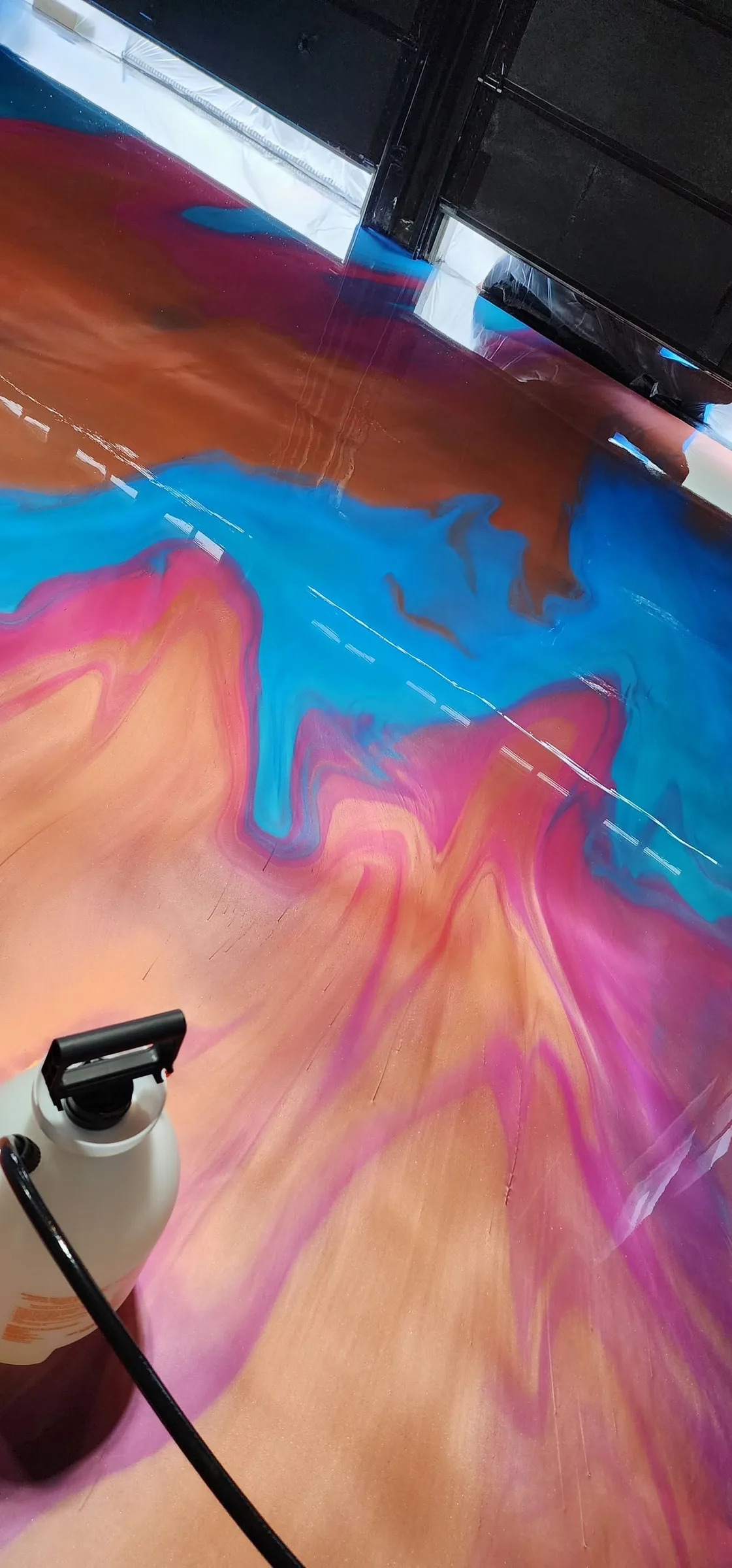
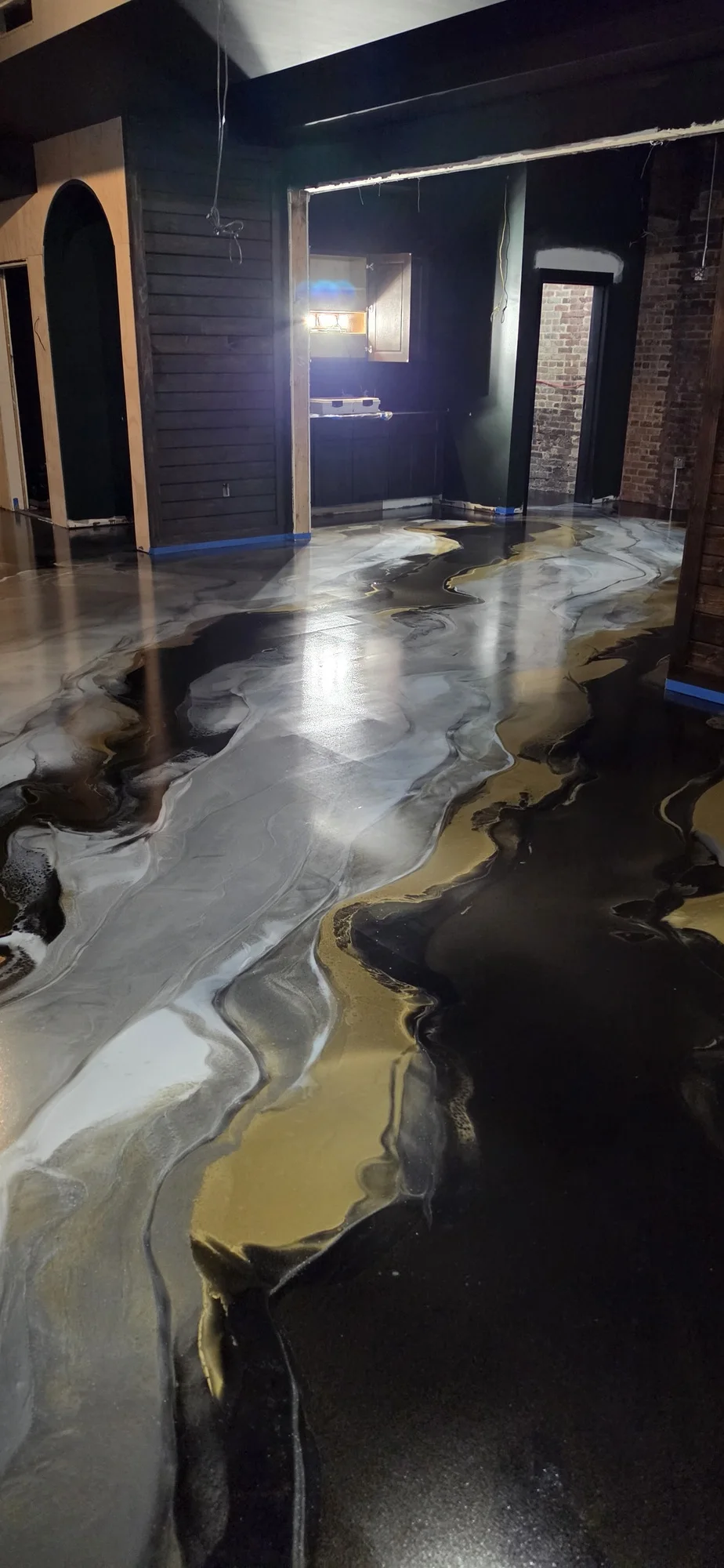
Scheduled commercial maintenance is a calendar of visits set with the manager in advance. Each visit is a walk of the floor to catch chips, worn lanes and damaged edges, followed by whatever work the floor needs and the schedule allows. Larger jobs, like topcoat renewal in a high-traffic zone, are booked for a known closure. Zones can be rotated, so the entrance gets attention one visit and the back of house the next, and no single visit shuts down the whole space.
Larger jobs, like topcoat renewal in a high-traffic zone, are booked for a known closure.
It fits businesses with coated floors that take daily traffic and that already plan around holidays, slow seasons or overnight hours. It works best when the floor is sound to begin with; a floor that is failing needs repair or replacement before a schedule makes sense. It also depends on the business keeping its closures. When a planned window gets used for something else, the work moves, and wear does not wait. Danny is plain about that when the calendar gets set.
Danny starts with a walk of the space alongside the manager, noting where customers and staff wear the floor fastest: entries, registers, the line at a counter, the path from the kitchen. Together they look at the business calendar and pick visit dates and closure windows. On each visit he walks the floor again, handles small fixes that fit the time, and books larger work for the next planned closure. When a zone needs a topcoat renewal, it is closed, sanded and recoated, then left to cure before reopening. Each visit ends with a walk with the manager over what was done and what is coming next.
A floor stays open longer when its repairs are already on the calendar.
From bare slab to finished floor
Scheduled maintenance is built around a business calendar, so the stages below start with the manager’s dates and fit every visit and closure inside them.
Collecting the closure dates
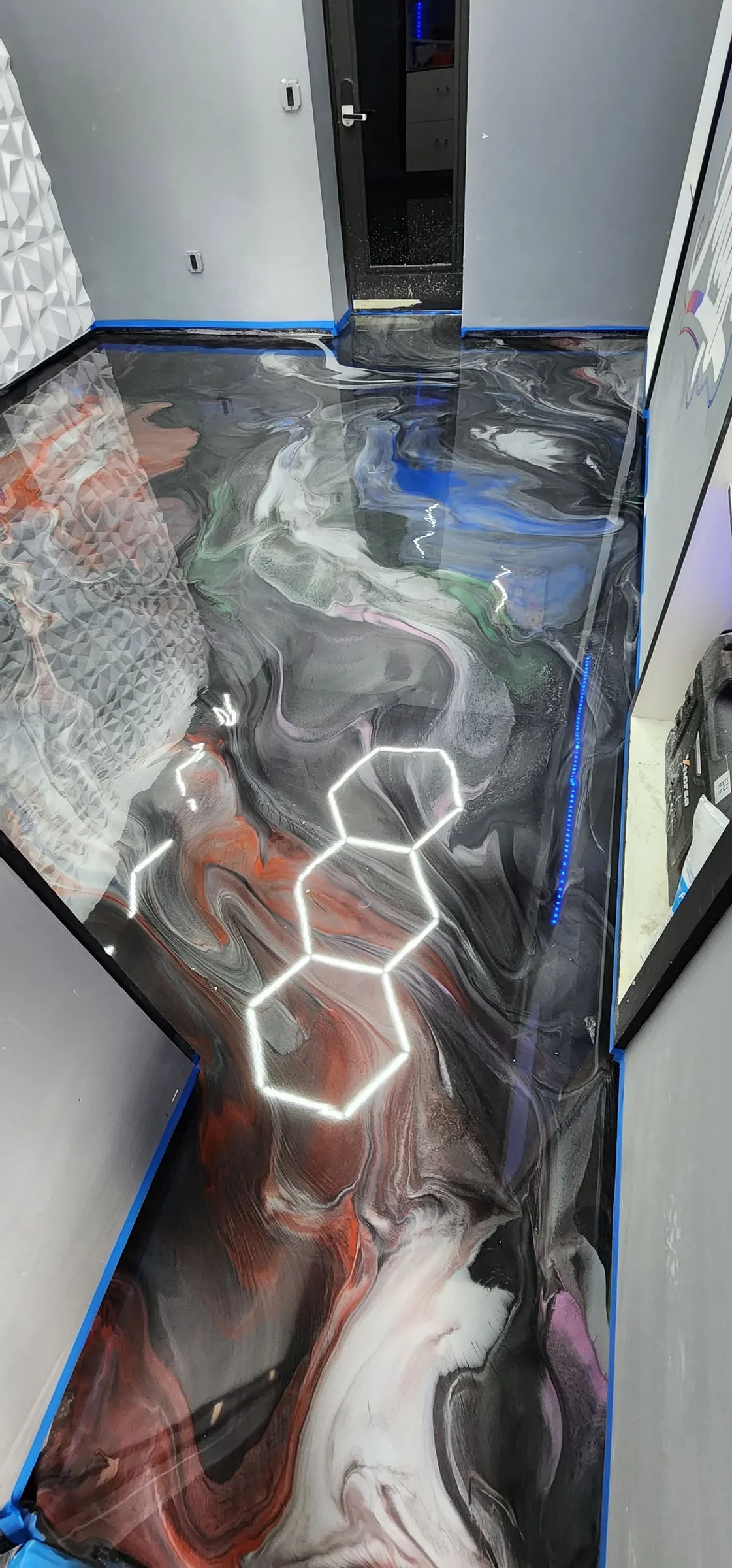
Before the first visit, the manager shares holidays, inventory counts, slow seasons and any planned renovations. Danny marks which dates allow a quick walk during hours and which allow a section to close long enough for a cure, since those are different kinds of windows.
Zoning the floor by traffic
On the first walk, the floor is divided into zones by how hard each one works, with entries, register lines and kitchen paths in one group and quieter areas in another. Busy zones get scheduled for frequent attention and quiet ones far less often.
Short visits during open hours
Most visits are quick walks and small fixes that fit around customers, done at the quiet end of a day or before opening. Scuffs and chips get handled on the spot where the area can be roped off long enough, and anything bigger is booked ahead.
Bigger work on closure days
Topcoat renewal in a busy zone, section repairs and color work that needs a full cure are saved for the closure dates on the calendar. The zone is cleared, sanded and recoated, and staff know in advance which area will be off-limits that day.
A running log for the manager
After each visit, the manager gets a short note covering what was done, which zone is next and any change in how the floor is wearing. That log lets the business plan staffing and closures a season ahead instead of reacting to damage.
More of Danny’s floors
Other jobs from the file, not all of them this service. See the gallery








Questions about scheduled commercial floor maintenance
How is this different from calling when something breaks?
Calling after damage means the work happens on the floor’s schedule, often at a bad time. A scheduled plan catches wear early and puts the larger work on dates the business already chose. Danny and the manager set the calendar together after the first walk, and it can be adjusted as the year goes on.
Can maintenance be done after hours?
That depends on the space and the work. Walks and small fixes can often fit around open hours or the quiet end of a day. Work that needs a cure, like a topcoat renewal, needs the zone closed long enough for it, so it usually lands on a closure day. The plan is set to fit your hours.
What kinds of businesses use scheduled maintenance?
Any business with a coated floor that takes daily traffic and cannot close often, including gyms, restaurants, showrooms, auto shops and retail stores. The visit schedule depends on how hard the floor works. Danny walks the space first and suggests an interval, and the manager decides.
What happens if we have to cancel a planned closure?
The work moves to the next available window, and Danny looks at whether anything in the delayed zone needs a temporary fix to hold until then. A missed renewal in a busy entrance can let wear reach the color, so the schedule is adjusted quickly instead of skipped. The manager sees the revised dates right away.
Can the schedule change with our seasons?
Yes. A business that gets busy in summer or around the holidays can have visits weighted toward its slow months, with lighter checks during the rush. Entrances that take salt in winter often need attention right after the season ends. The calendar is revisited whenever the business’s own year changes shape.
Can several locations of one business share a schedule?
Yes. A business with more than one location can have each floor on the same calendar, with visits grouped by area and timed to each site’s own closures. Using the same coating and color across locations keeps repairs matched, and the manager gets one log covering every site.
More from the repair section
Peeling, bubbling, chipped or faded coatings, patched or recoated, plus upkeep plans for floors that work hard.
- Floor Coating Maintenance ProgramsReturn visits on a schedule you choose, catching chips, dull lanes and worn topcoats early so a coated floor stays ahead of its wear.
- Epoxy Floor Deep CleaningCleaner haze, tire marks and ground-in grime stripped off a dull epoxy floor, so you see what it really looks like before deciding on repairs.
- Floor Coating Inspection ServicesA hands-on walk of an existing coated floor, with a plain read on what is sound, what is failing and what each part needs.
- Protective Topcoat RenewalA fresh clear wear layer poured over a sound coated floor before traffic reaches the color, with the option to change the sheen.
- Epoxy Floor Replacement and ReinstallationFailed epoxy floors ground off to bare concrete and replaced from the base up, with the chance to switch to flake or a high-end metallic.
He drives out from Cranford about 60 miles in every direction for floors like this one. See every areaSee the gallery
Danz Handz
Danny Carrero, epoxy specialist
dhepoxy@gmail.com
Cranford, NJ. Mon to Sat, 8 to 6. Hablamos español.
Tell Danny about the floor
Send a few lines about the room and the look you want. Danny will call and set up a time to see it.